Rank : 8.0 (average on 2 votes)Coordinates : 36.569806, -118.765577 (
Open in Google Maps)
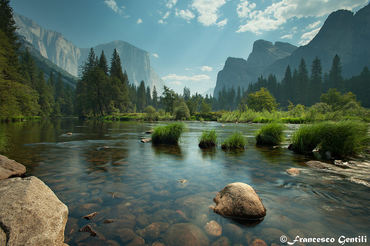
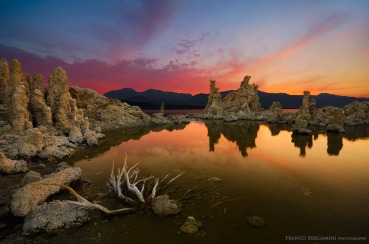
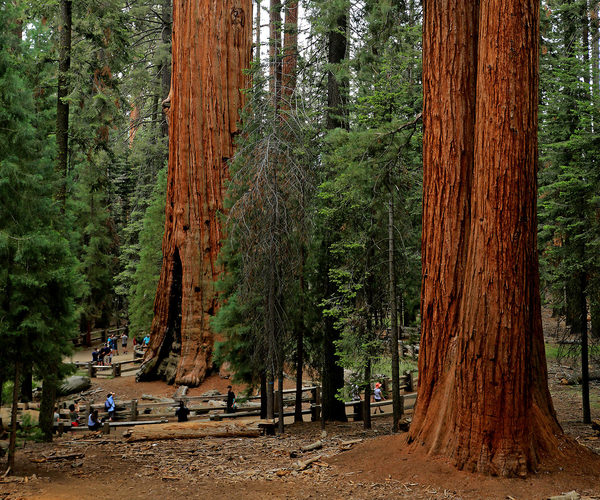
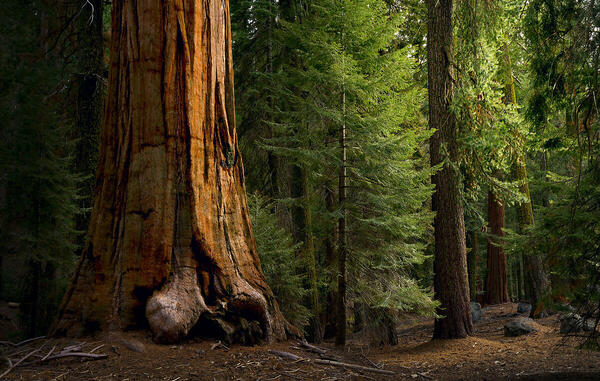
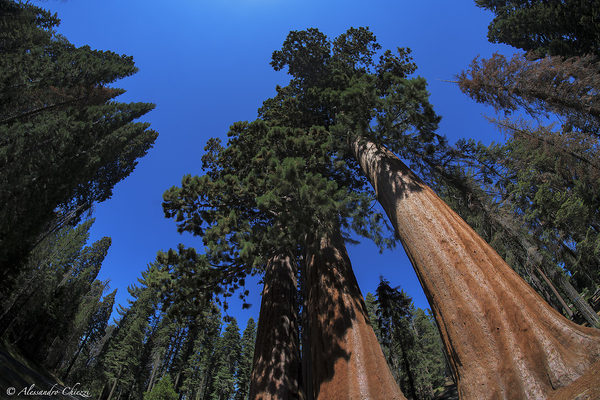
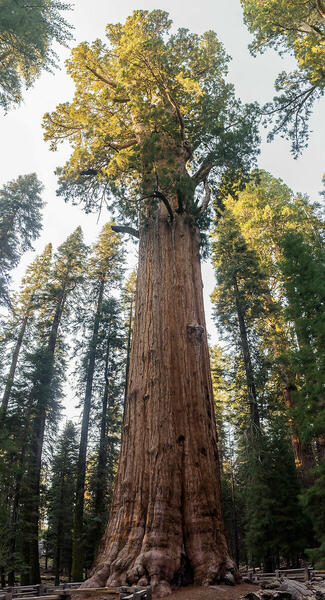
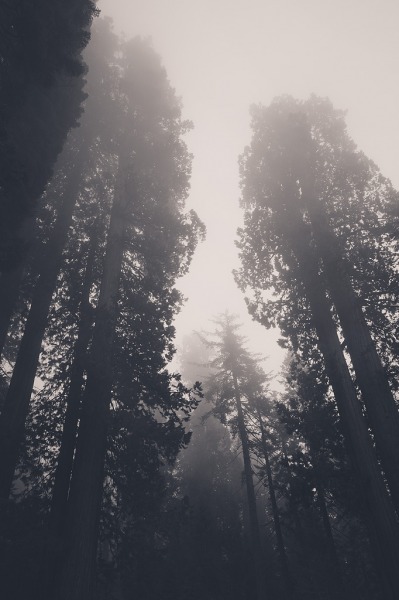
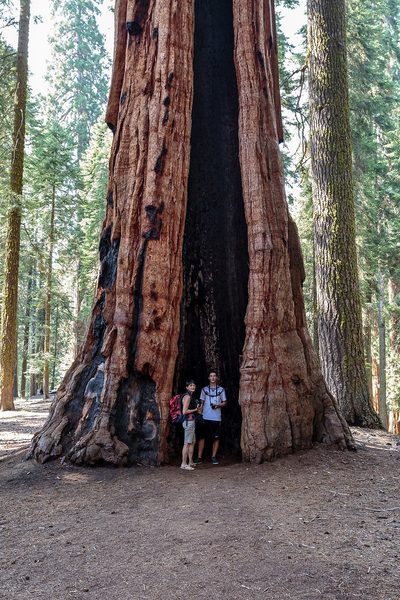
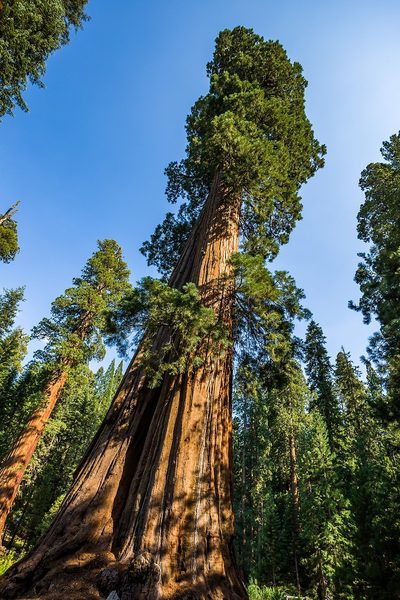
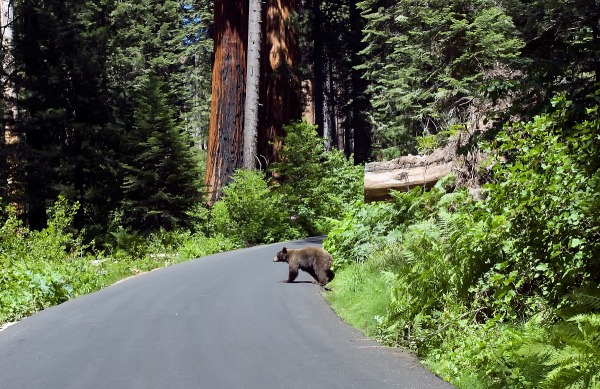
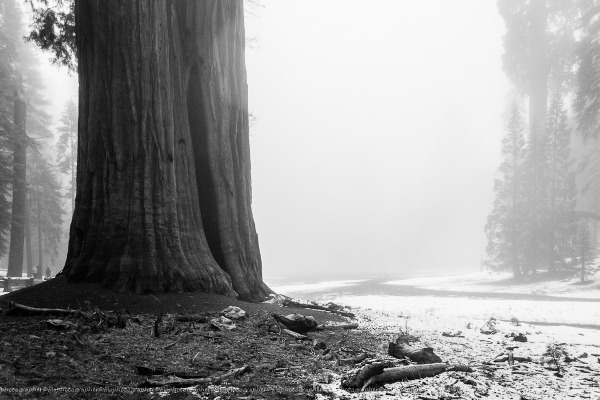
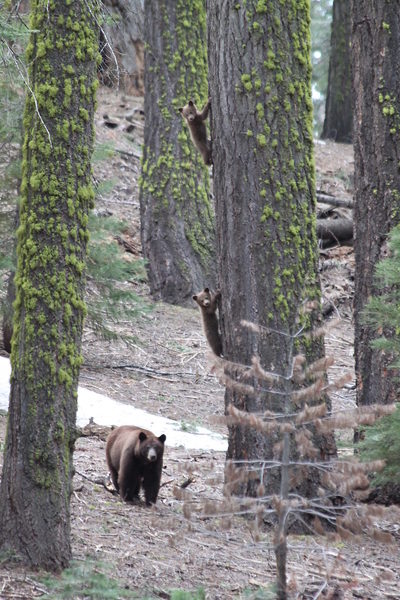
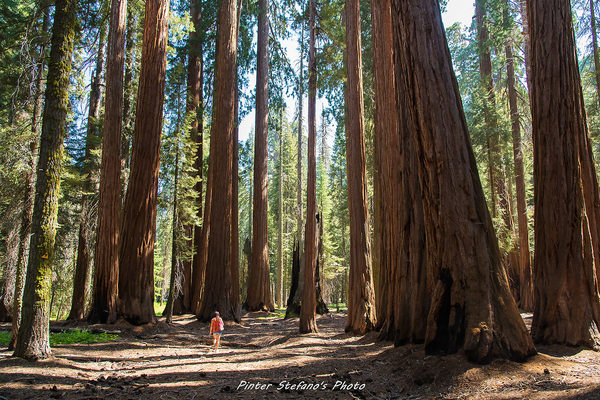
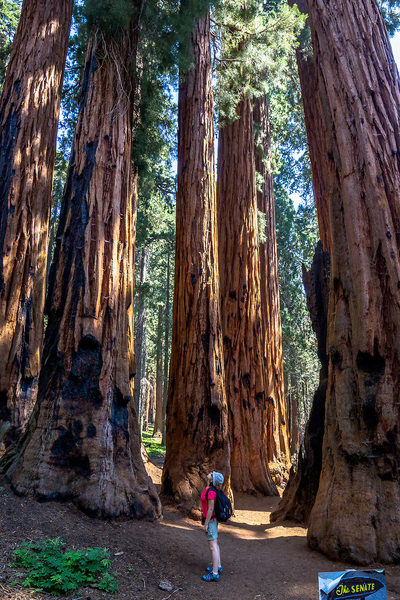
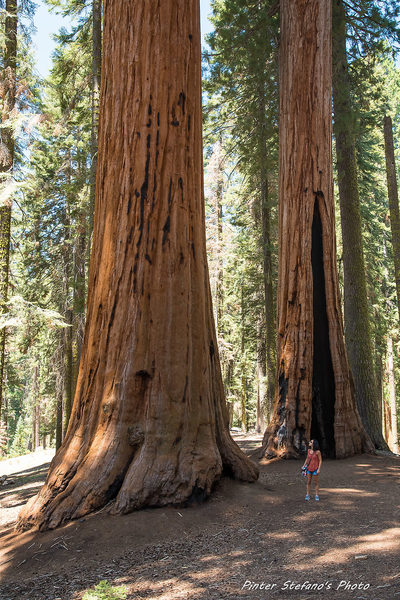
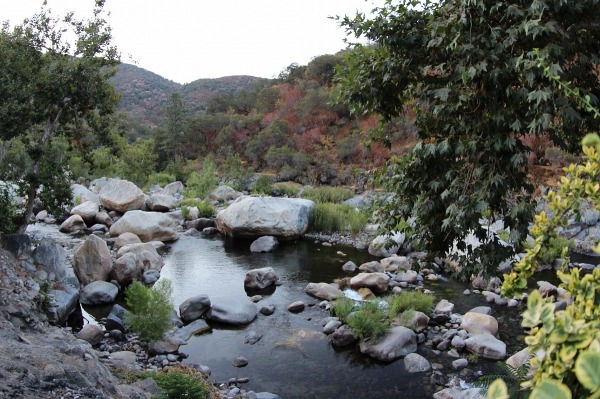
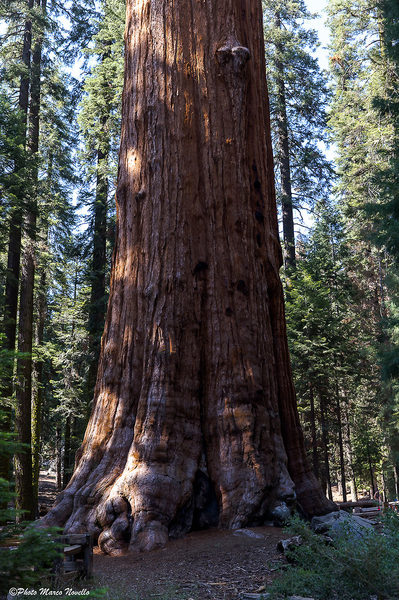
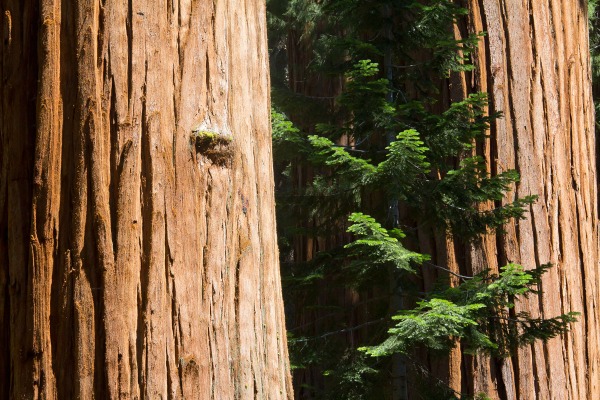
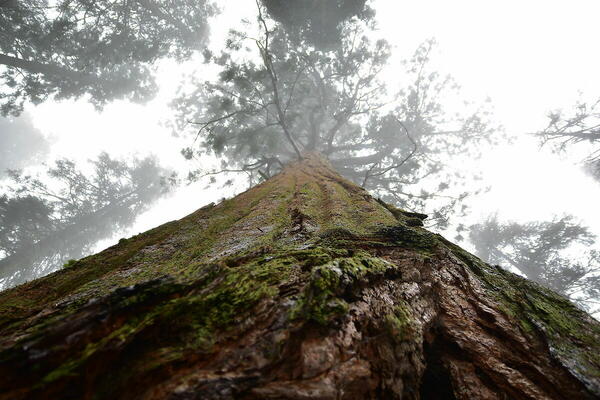
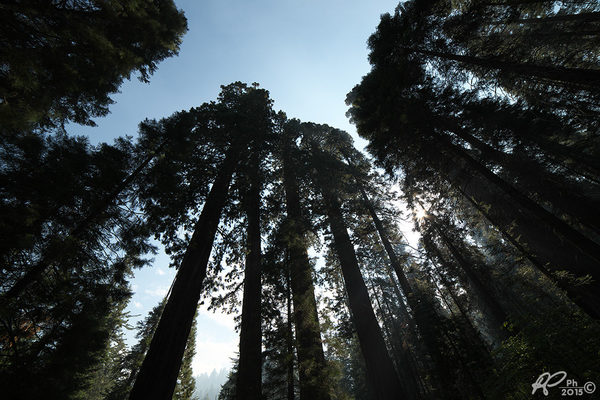
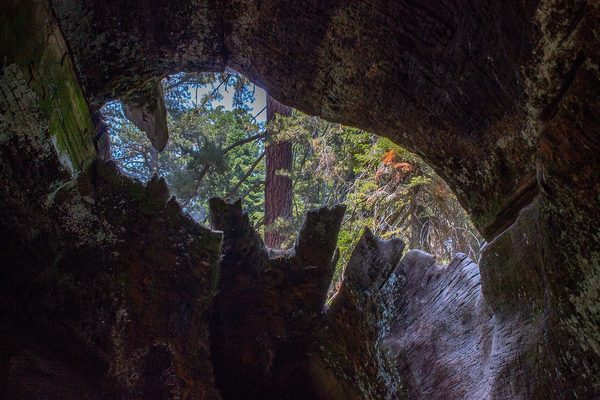
Subjects : Picturesque national parks with various trails for day hikes amid sequoias, mountains & waterfalls.This dramatic landscape testifies to nature's size, beauty, and diversity--huge mountains, rugged foothills, deep canyons, vast caverns, and the world's largest trees. These two parks lie side by side in the southern Sierra Nevada east of the San Joaquin Valley. Weather varies a lot by season and elevation, which ranges from 1,370' to 14,494'.
Recommended equipment : There are some suggestions at the American Park Network, http://www.americanparknetwork.com/parkinfo/yo/photo/ about photography related to Yosemite.If you want advice from a guy who did it right, why not read The Camera, The Negative, and The Print by Ansel Adams?Almost everything in Yosemite is photogenic (well, except for the tourists with whom you'll encounter very frequently). Some UV, haze, skylight, split ND filters might be of some help (if you're shooting B&W, a #25 Red 1 will help). Fujichrome Velvia will help. A sturdy tripod and an Arca-Swiss B1 ballhead will help.In a park like Yosemite, you generally follow the throngs of people to reach the scenic destinations. If you are trying to get dawn and dusk shots, your days will be quite long since you'll be hiking a lot.I suggest that you consider Kings Canyon National Park. You could probably hike around all day and see less than a couple dozen people (unlike Yosemite where you'll be one of perhaps a thousand per day to make the Nevada Falls summit). The large number of visitors scares away most animals at Yosemite (you'll need a honker to capture most animals there).Take lots of film (and spare batteries), since the weight (for 35mm) is nominal and you probably don't want to pay the outrageous prices charged in the various parks' visitor centers.Also remember that weather conditions change rapidly in the mountains and you should think about (minimally) some large ziplock baggies to protect your gear and film from moisture (yes, I had to dodge mini-waterfalls during my hike up to the Nevada Falls).Personally, I would also have my Yashica T4 Super in my pocket (loaded probably with Fujicolor Super G Plus 400 or Reala).
Best months : The best time to visit Sequoia National Park is June through August when the weather is the most stable. The park is open 24/7, year-round, but there are certain challenges during select seasons, such as when it snows in December and snow chains or tires are required for safely navigating park roads.
How to get there : Many other airports, some international, are within a few hours' drive of the parks. Fresno Yosemite International (FAT) is 1 ¼ hours from the Kings Canyon National Park entrance on Highway 180 and 1¾ hours from the Sequoia National Park entrance on Highway 198. From the airport, you can rent a car to reach the parks.
Visits : The park entrance fee is $35 for private vehicles and $20 for individuals on foot or on bike, and is valid for seven days in both Sequoia and Kings Canyon National Parks. The National Parks pass ($80) allows unlimited entry into all national park areas for one year.
Notes :
CalendarSunrise: 05:40, Sunset: 20:17
Show Sunrise and Sunset Calendar DiscussionNo replies
Read the discussion Moon Phase🌕 Full Moon,
Brightness: 100%
Show Moon Phases Calendar 



 JuzaPhoto contains affiliate links from Amazon and Ebay and JuzaPhoto earn a commission in case of purchase through affiliate links.