JuzaPhoto uses technical cookies and third-part cookies to provide the service and to make possible login, choice of background color and other settings
(click here for more info).
By continuing to browse the site you confirm that you
have read your options regarding cookies and that you have read and accepted the
Terms of service and Privacy.
You can change in every moment your cookies preferences from the page Cookie Preferences, that can be reached
from every page of the website with the link that you find at the bottom of the page; you can also set your preferences directly here
The information about this location have been automatically translated with Microsoft Translator.
Rank : 9.0 (average on
2 votes)
If you know this place, give your vote: Coordinates : 34.151908, 77.576866
(Open in Google Maps)
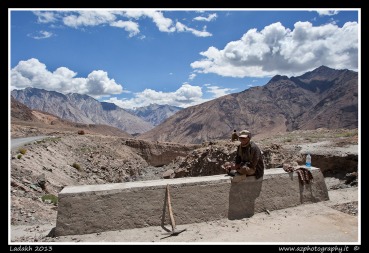
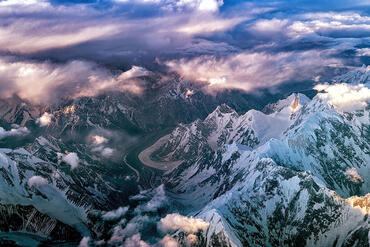
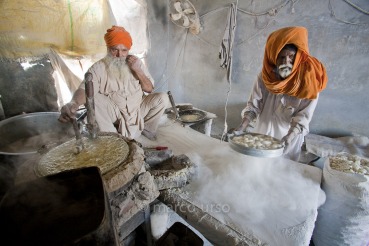
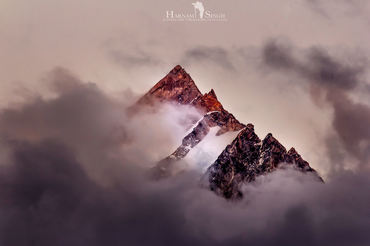
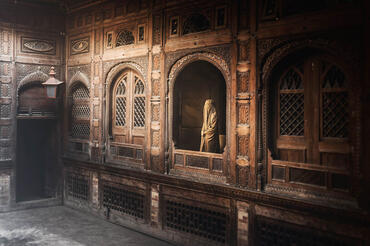
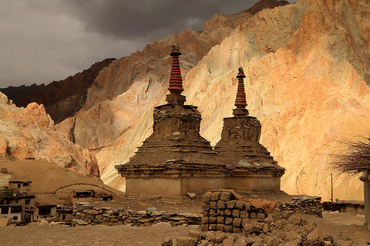
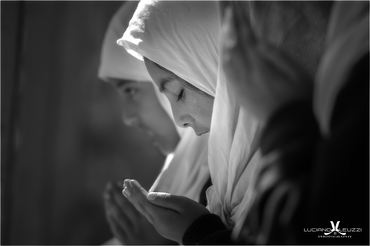
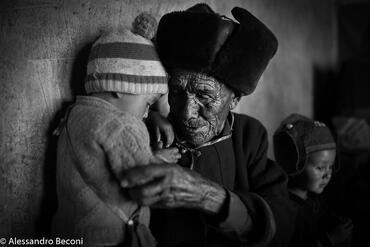
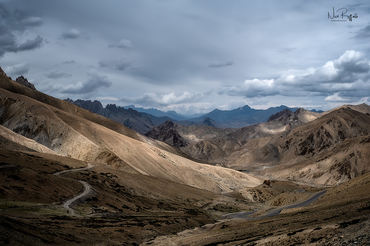
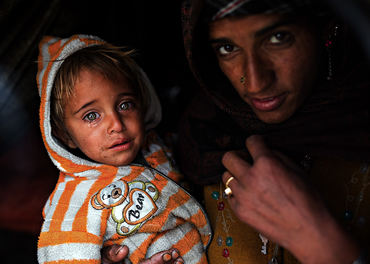
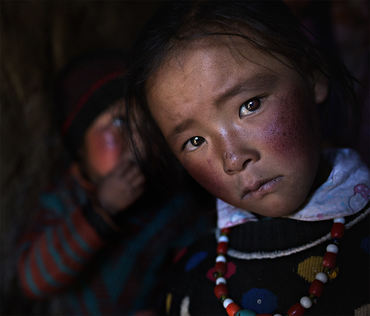
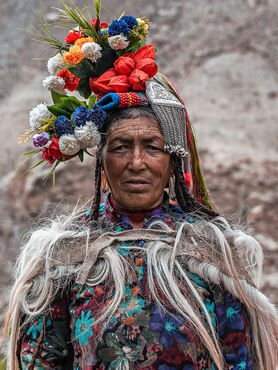
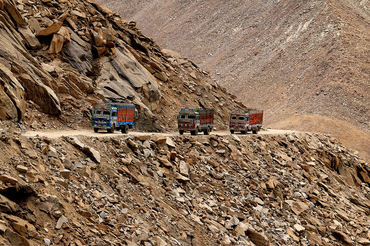
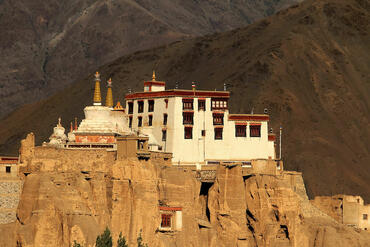
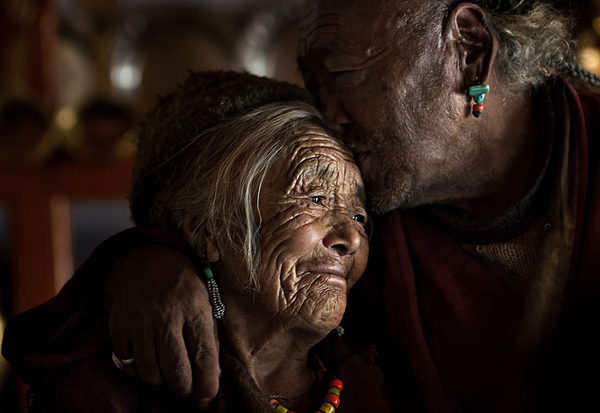
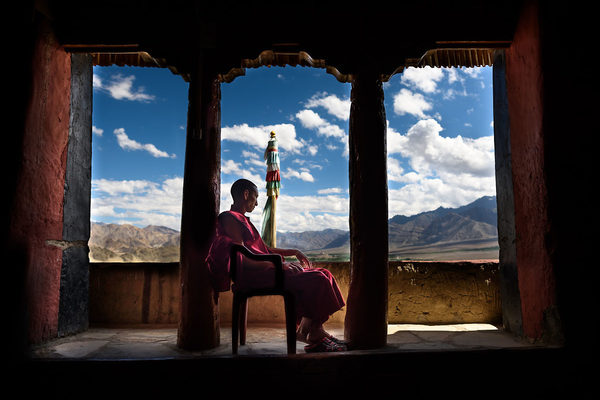
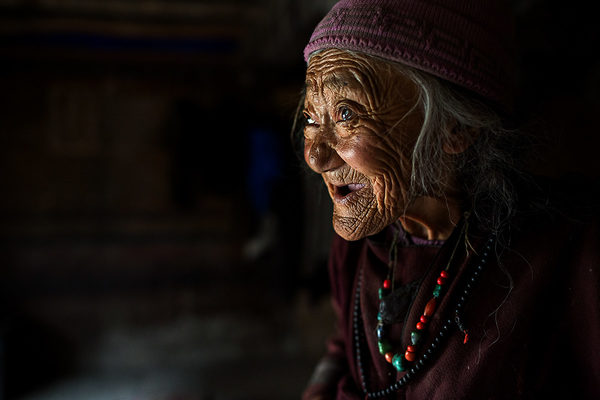
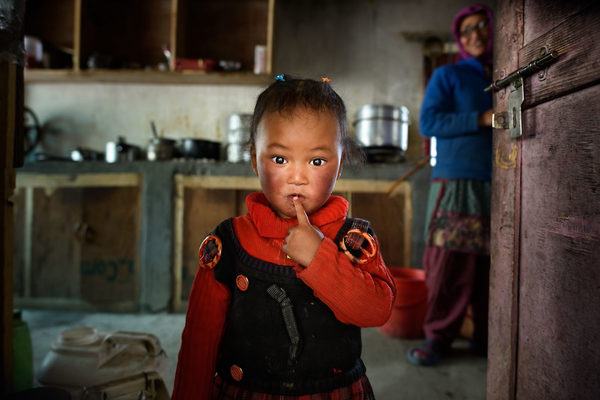
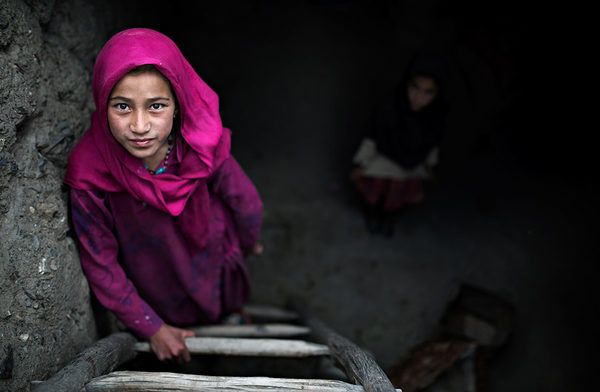
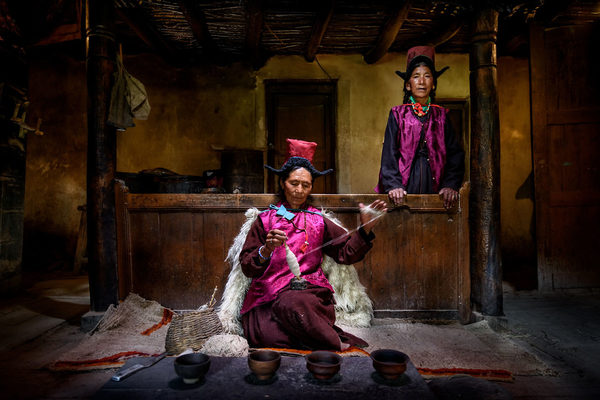
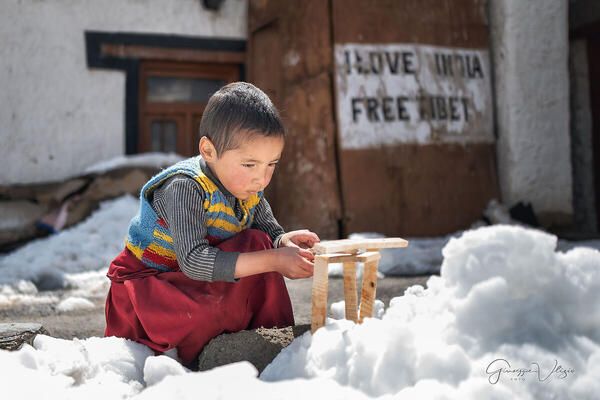
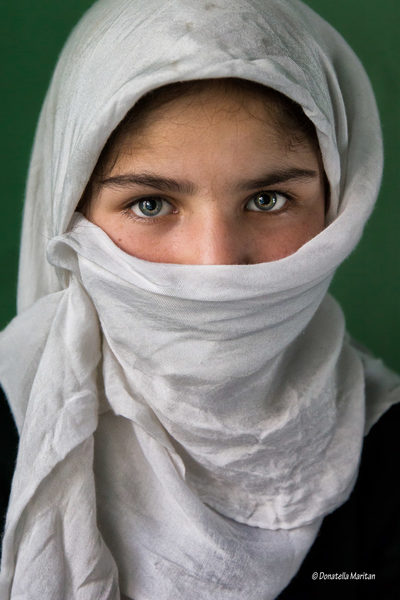
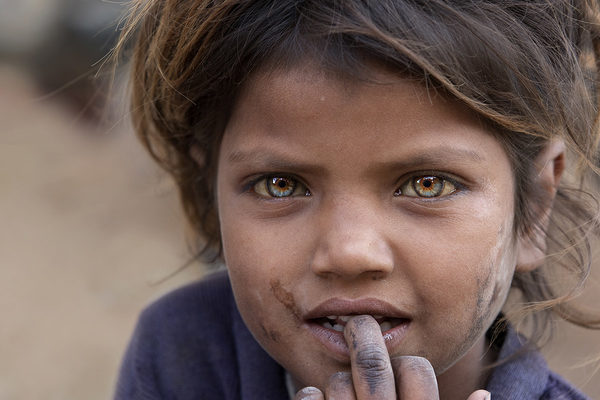
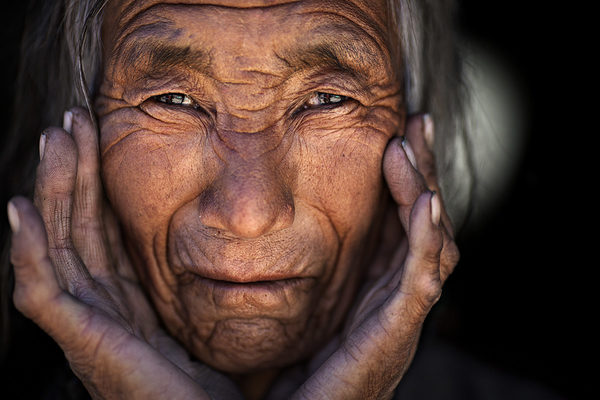
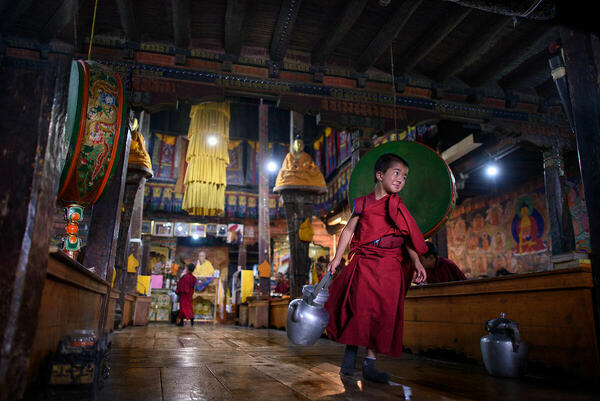
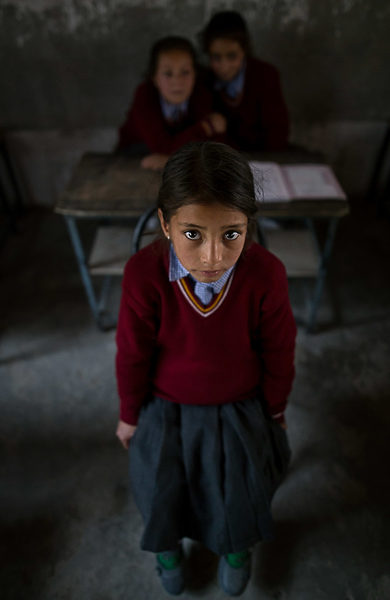
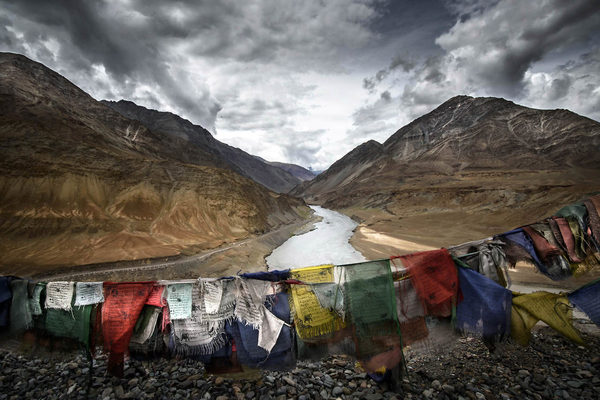
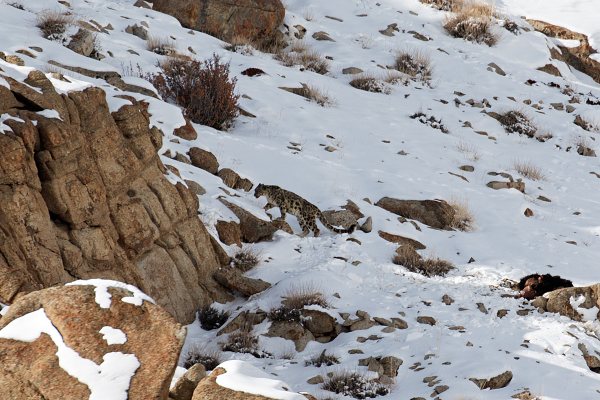
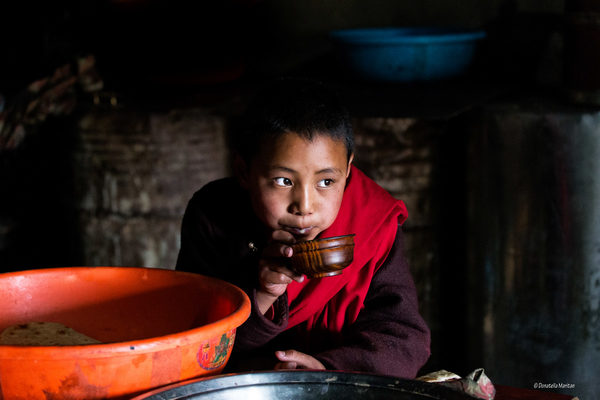
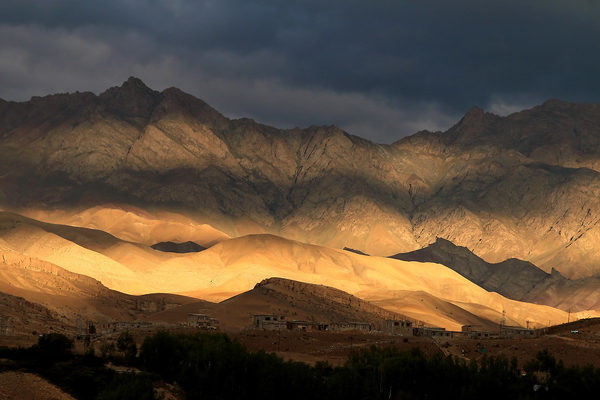
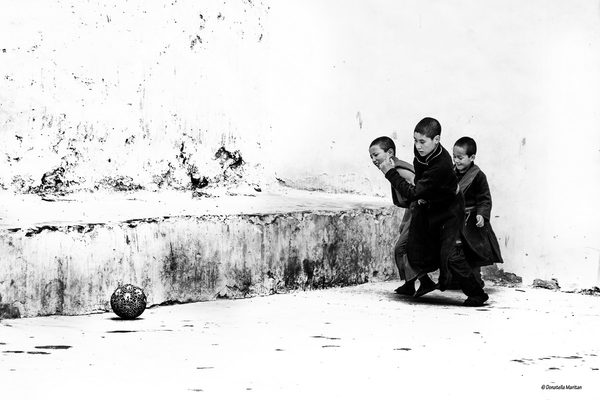
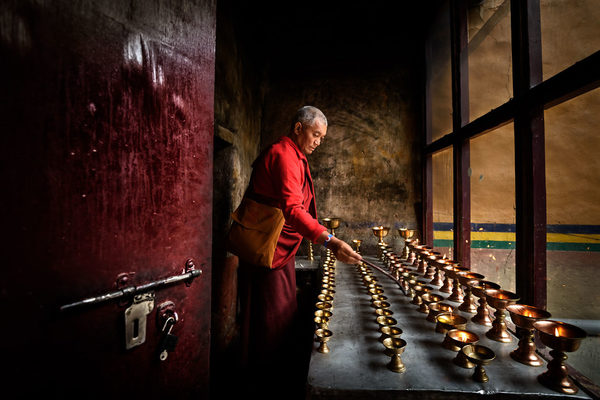
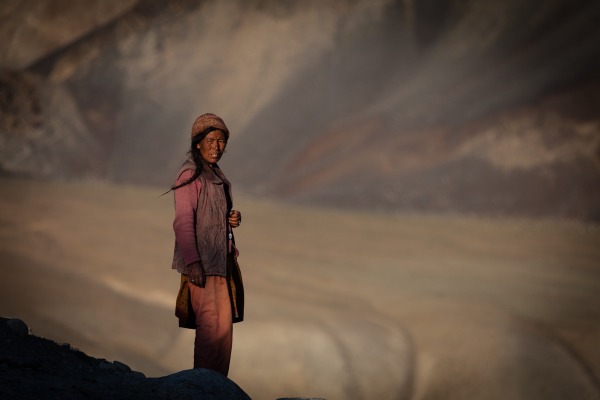
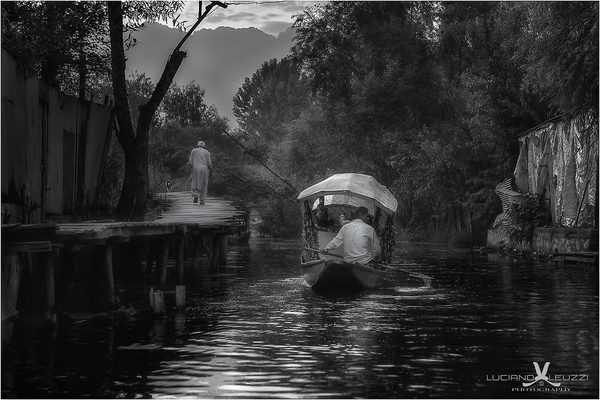
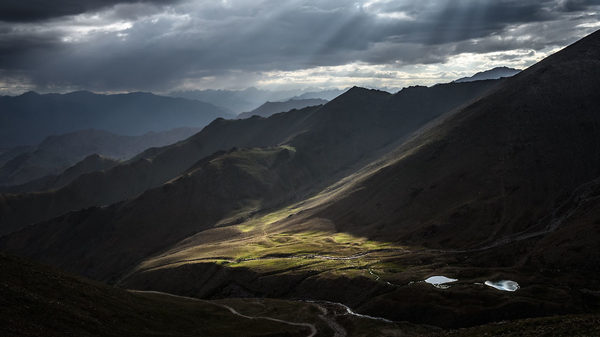
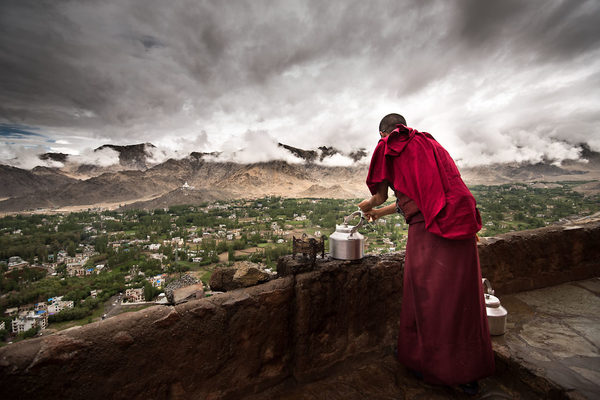
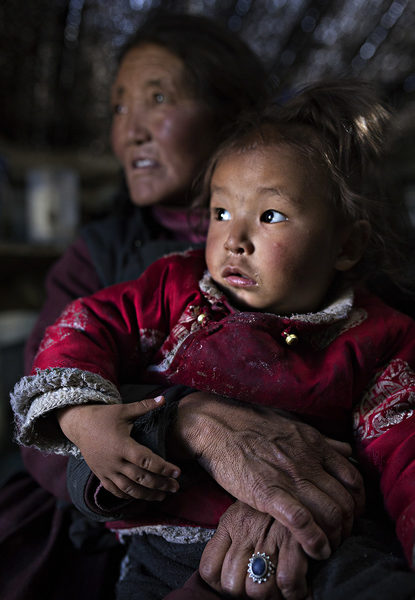
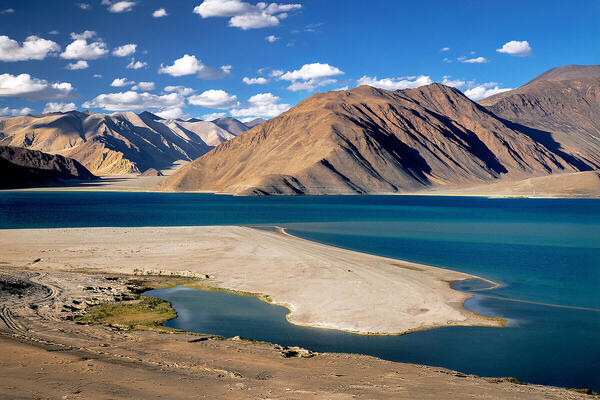
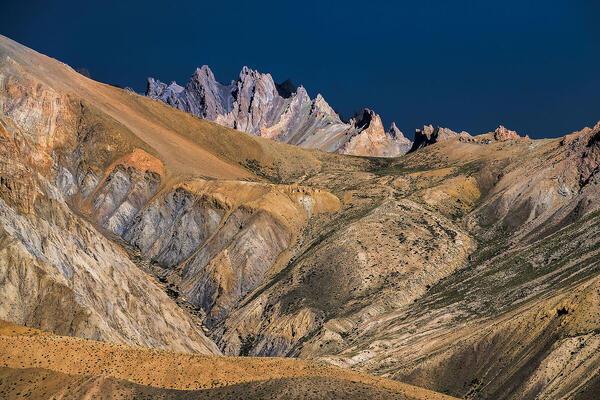
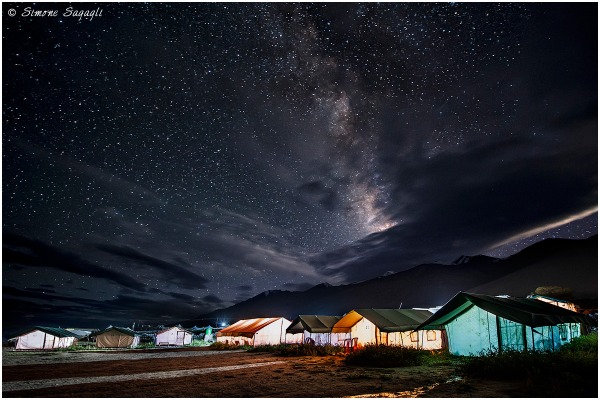
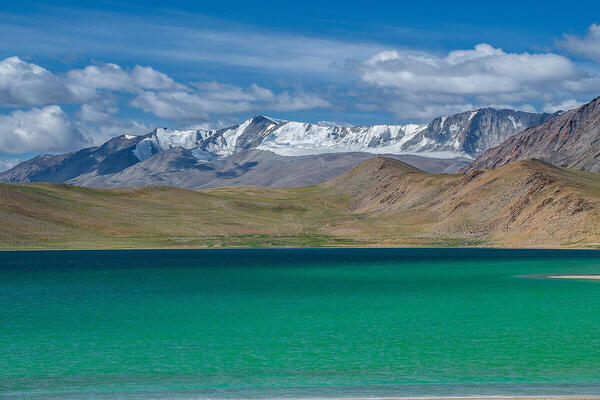
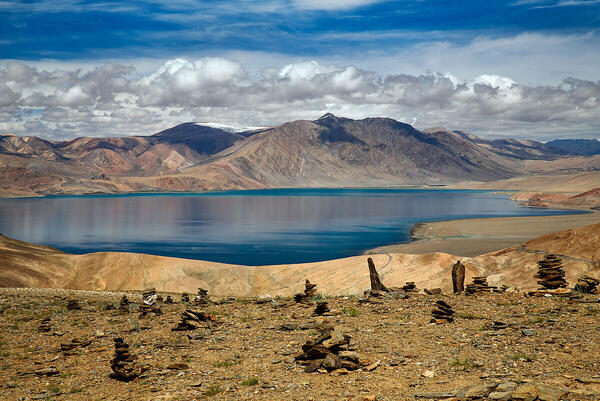
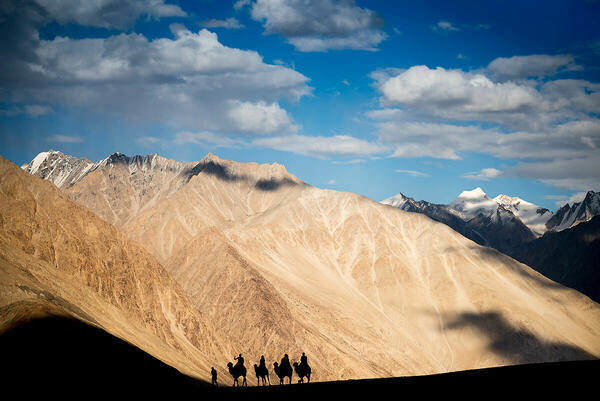
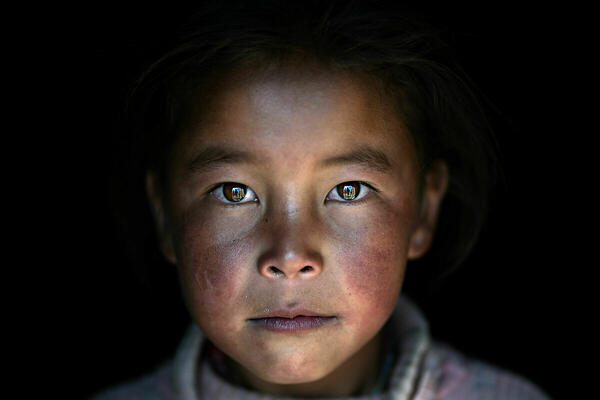
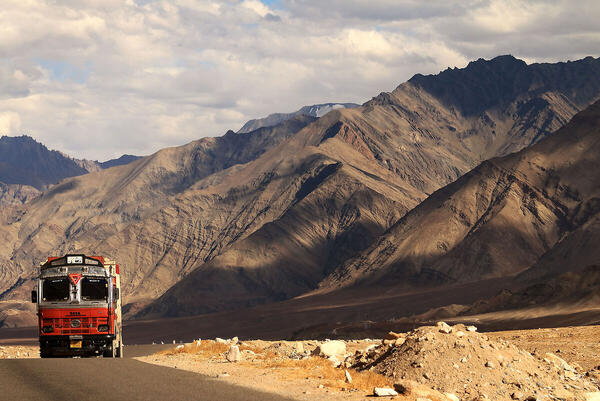
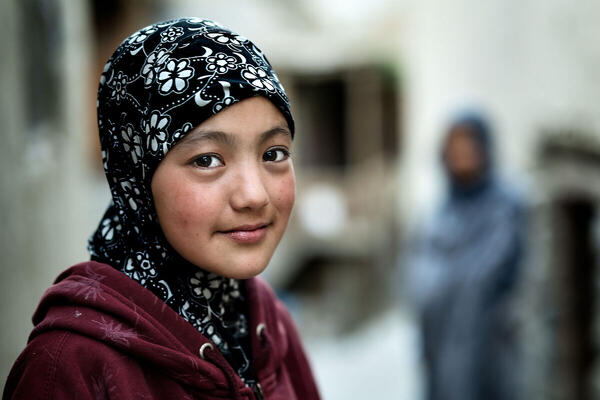
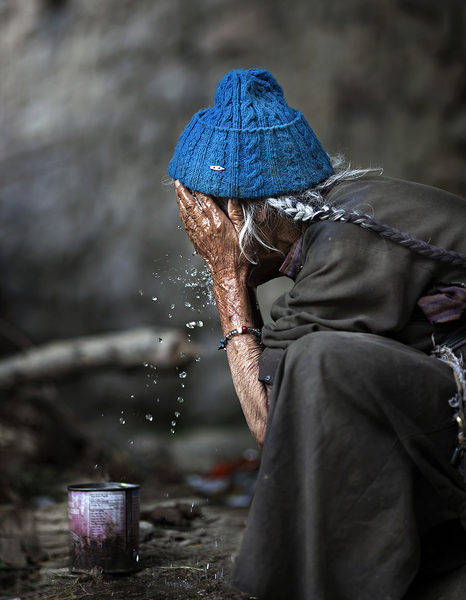
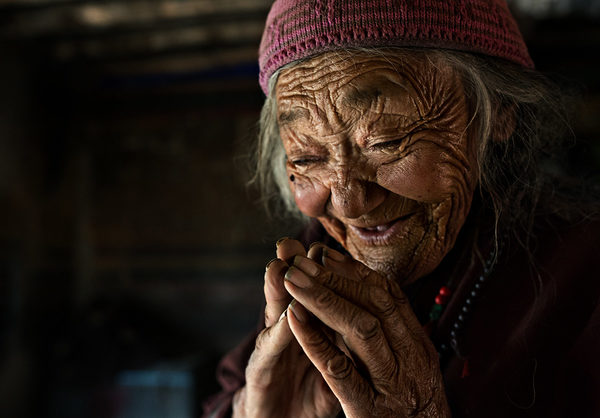
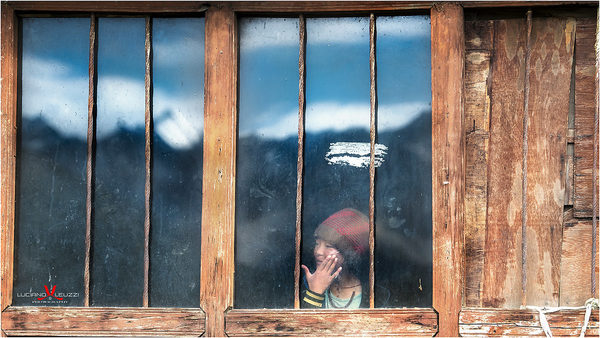
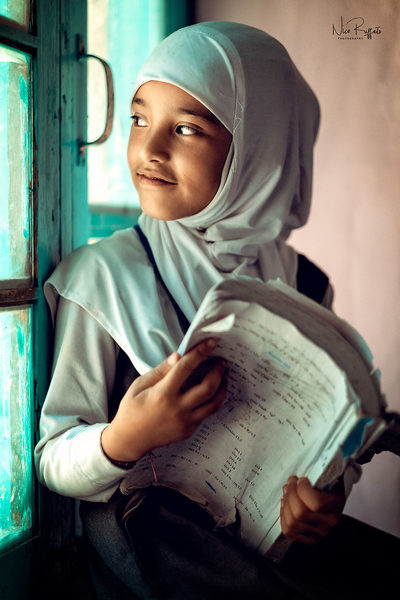
Subjects :Ladakh is a land that seems to exist outside of time, suspended between sky and stone, between snow and desert, between spirituality and survival. For a photographer, it is a continuous invitation to amazement: every corner, every face, every wall tells a story. The natural landscapes are of an archaic power. The peaks of the Karakorum and the Himalayas stand out against a clear sky, sculpted by the raw light of the high altitude. Large salt lakes such as Pangong Tso and Tso Moriri reflect the sky in unreal hues, while the high-altitude deserts of the Nubra Valley surprise with their dunes and Bactrian camels. And then there are the rivers: the Indus, the Zanskar, which in winter turns into an ice path on which men and legends walk. But Ladakh is also and above all humanity. In the monasteries perched on the slopes – Thiksey, Hemis, Lamayuru, Alchi – monastic life flows slowly, punctuated by prayers, ritual gestures, the sounds of shells and drums. Photographing a young novice playing with a wooden object in the snow, or an elderly lama reciting sutras in the flickering light of a butter lamp, means capturing a spirituality that becomes flesh, breath, childhood, memory. The faces of Ladakh are a universe apart. Women with deep eyes and wrinkles like ancient engravings, smiling children with cheeks reddened by the cold, Changpa nomads wrapped in heavy cloaks who lead yaks through the highlands. Every portrait is an encounter, every look a story. The architecture also offers endless ideas: stone and mud houses with blue windows, prayer flags moved by the wind, stupas and Mani walls covered with sacred engravings, symbolic details everywhere. At night, absolute silence allows you to work with the sky: the stars show themselves in all their depth, the Milky Way bends over monasteries like a blessing. And then there is daily life: the markets of Leh, the forage harvest, the religious festivals with masked dances, the simple ceremonies in the villages where time is still a cycle and not a race.
Recommended equipment :A wide-angle lens is essential to render the vastness of the spaces, the perched monasteries and the immense sky. A standard zoom provides versatility in everyday scenes and ambient portraits. A telephoto lens allows you to isolate distant subjects, capture discreet faces, play with perspective compressions. If possible, integrate with a bright prime lens, ideal for portraits or low-light situations.
Best months :June – September: the most accessible and varied period. It is the busiest season, with the most stable weather and all the main roads open. Clear skies and bright light – ideal for sweeping landscapes, mountains, turquoise lakes, and monasteries. Religious holidays: Many monasteries celebrate ritual dances (Cham), perfect occasions for photographs full of color and symbolism. Cultivated fields and active villages: rural life is in full swing, with excellent opportunities for set portraits and scenes of agricultural work. Access to remote areas: Nubra Valley, Tso Moriri, Pangong Tso are reachable and extraordinary to photograph. April – May: spring. Early season, with fewer tourists and a more intimate atmosphere. Residual snow on the passes, excellent for strong contrasts between white and rock. Blooms in the villages and nature awakening, perfect for transitional scenes. Variable conditions and some steps still closed: flexibility and adaptation are needed. October: autumn. Golden colors in the fields and along the rivers, with a lower and softer light. Reduced tourism, more authentic atmosphere and the possibility of less disturbed portraits. Falling temperatures: the nights are already cold, but the landscape takes on a more poetic tone. Winter (December – March): Silence, snow and spirituality: the monasteries are working at full speed, the light is crystal clear, the atmosphere rarefied. Chadar Trek: The frozen Zanskar River is one of the most extreme and fascinating subjects. Climate risks: intense cold, closed roads, isolation. You need appropriate equipment and clothing. Ideal for those looking for minimalist landscapes, intense portraits, black and white shots or spiritual reportage.
How to get there :The first step is to fly from Italy to New Delhi, the capital of India. Once in Delhi, you take a domestic flight to Leh (IXL), the only airport in Ladakh that is open all year round.
Visits :An Indian visa is required to travel to Ladakh from Italy.

![[editors pick]](shared_files/layout/ep_badge.jpg)

 JuzaPhoto contains affiliate links from Amazon and Ebay and JuzaPhoto earn a commission in case of purchase through affiliate links.