Rank : 10.0 (average on 2 votes)Coordinates : 51.477989, -3.182152 (
Open in Google Maps)
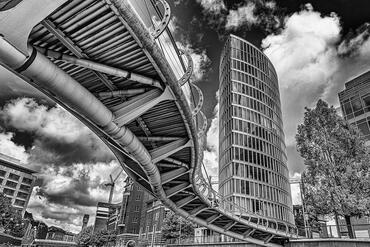
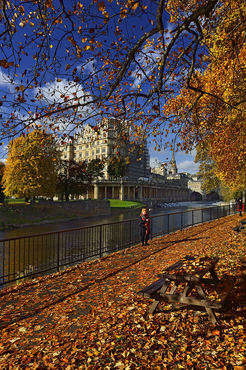
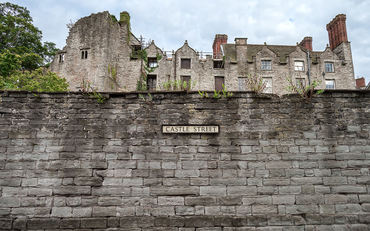
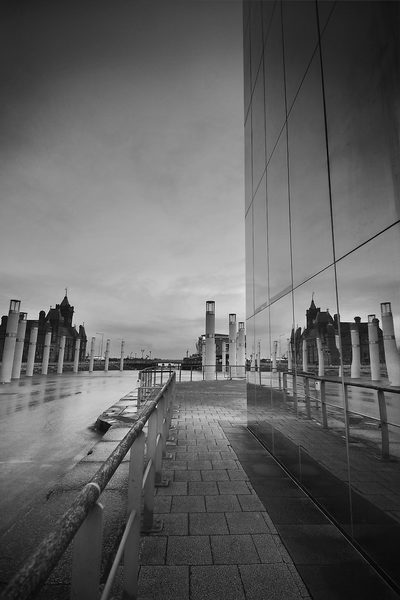
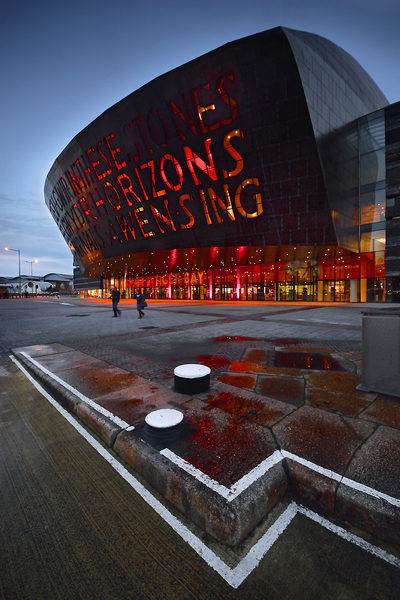
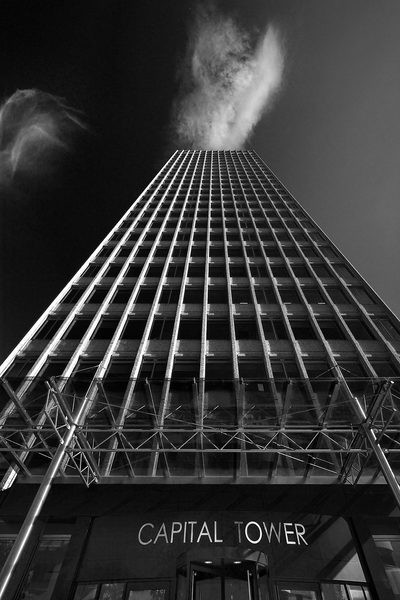
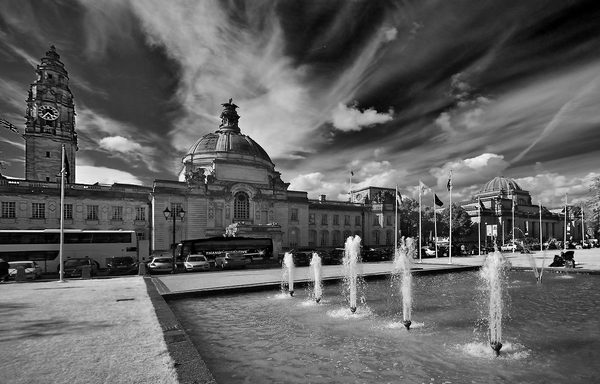
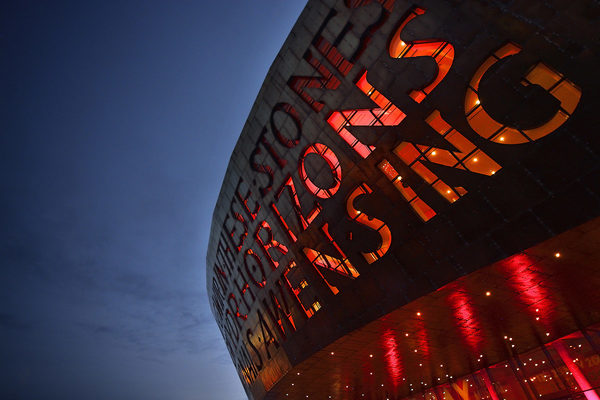
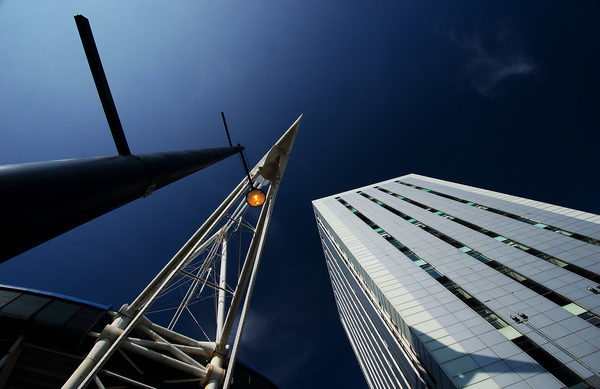
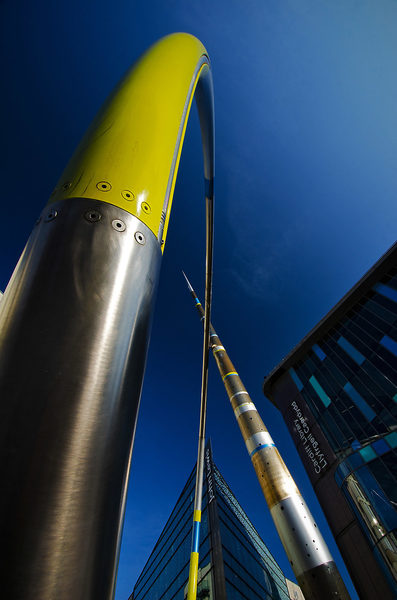
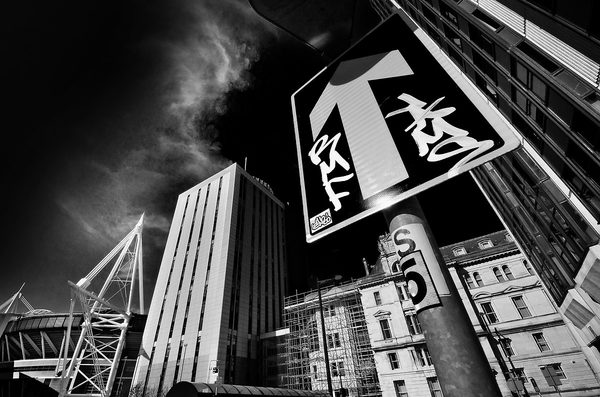
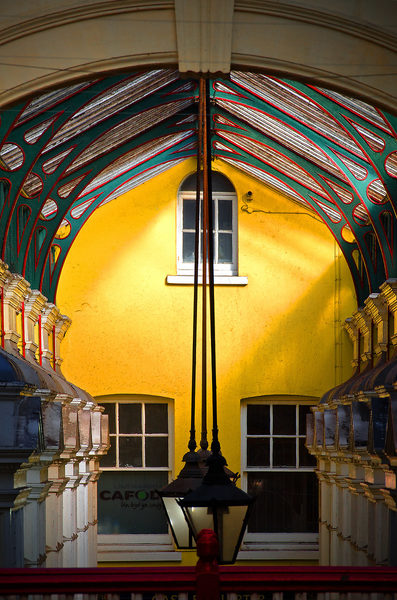
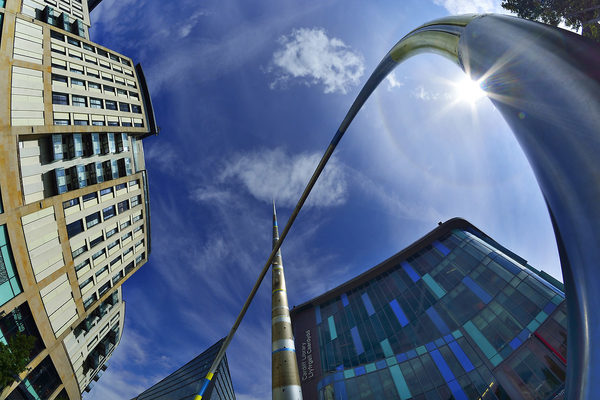
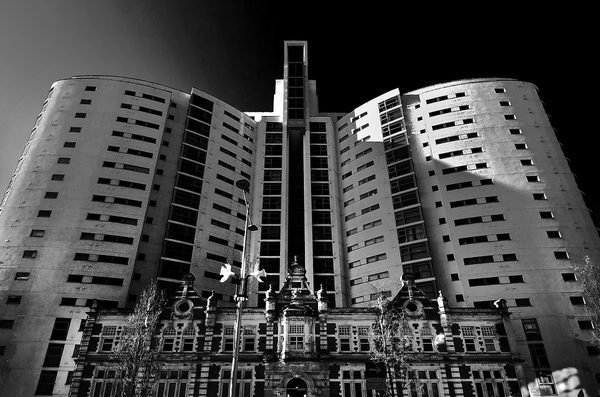
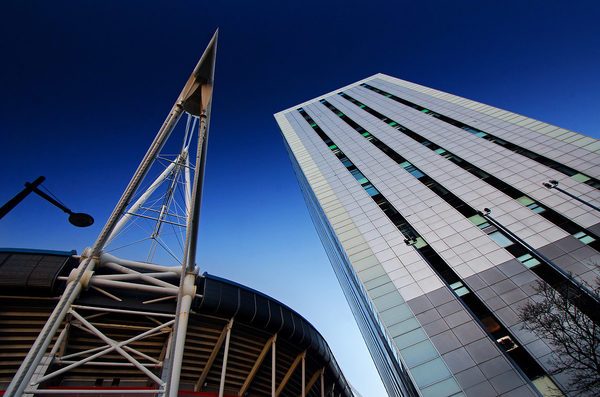
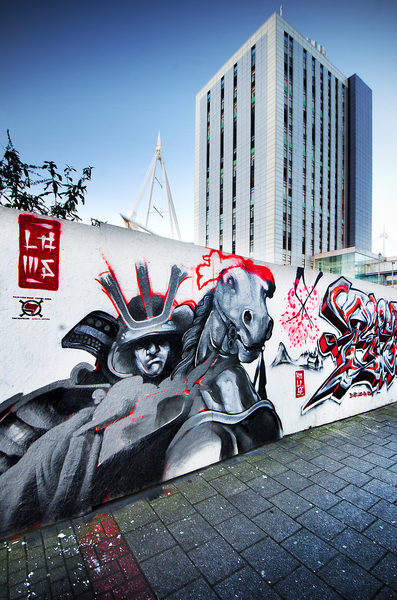
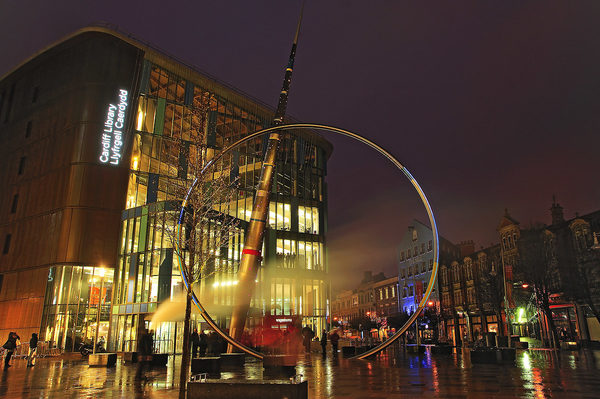
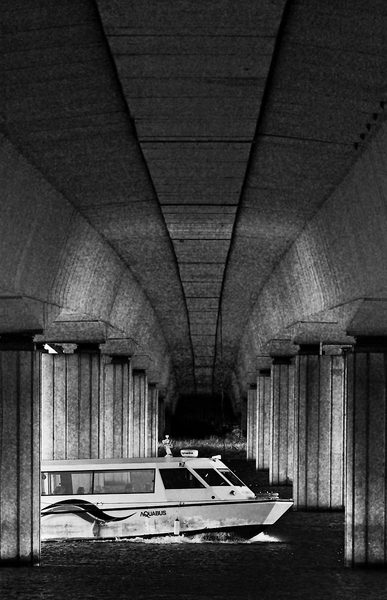
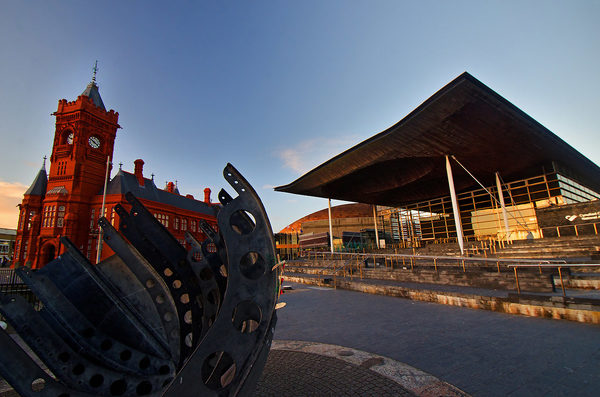
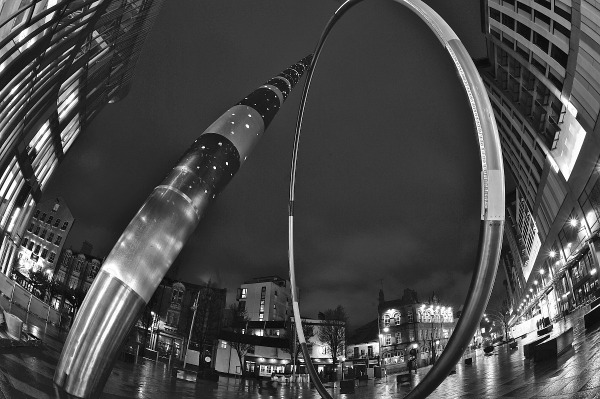
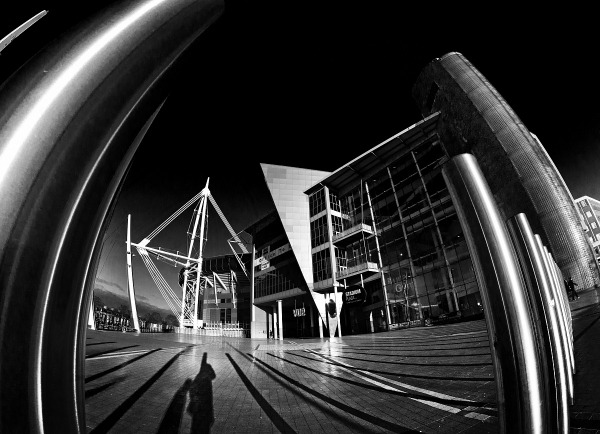
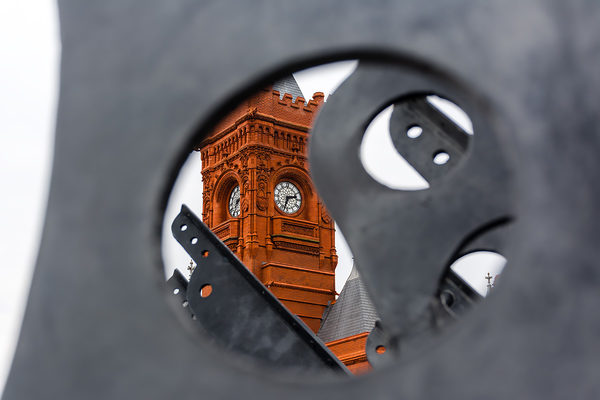
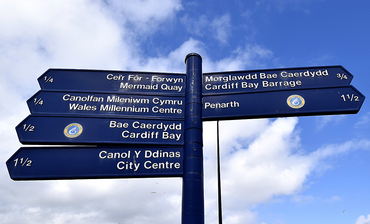
Subjects : Cardiff is the capital city of Wales, part of the United Kingdom. It was built on the export of millions of tons of coal from the south Wales Valleys that converge on Cardiff and that in their heyday produced coal that powered the world. The Cardiff Docks, known as Tiger Bay in their day brought in immigrants and made Cardiff the ethnically diverse culture that it is today. After the decline and closure of all the coalfields, the docklands fell into decline and decay. During the 1980s and 1990s redevelopment of Cardiff Bay, as it has now become rebranded, was at the time, the biggest waterside development in Europe and involved the building of a barrage to create an artificial waterfront. Since then, the new buildings include the Welsh Government Parliament "Welsh Assembly" - a world class design by renowned architect Richard Rogers. This area is superb for photography, with big public open spaces and wonderfully interesting new buildings such as Wales Millennium Centre. These come alive at dusk, in my opinion. Cardiff also has a Castle, an old one and a much newer pretentious Gothic folly, designed by the Marquis of Bute, all built on the riches of coal export, the Butes were the landowners. Cardiff also is the centre for central Government in Wales and houses a very fine National Museum of Wales. There are many fine houses, parks and other places of interest - including the Millennium Stadium, a most photogenic state of the art sports arena that is the home of Welsh rugby and which boasts a sliding roof for use in the often inclement weather that Wales endures.
Recommended equipment : Like any city that has both modern and old architecture, the full range of lenses, from ultrawide up. A tripod for night scenes.
Best months : There is plenty to see and do all year round. It gets more interesting and exciting when there's international rugby playing at the Millennium Stadium, the atmosphere becoming almost carnival-like and jovial. Rugby is mainly a winter sport. There are outdoor free concerts in Cardiff Bay on summer evenings.
How to get there : The M4, via the Severn Crossing, a wonderful bridge with a total length of 5128m, reaches England and onto London and Heathrow Airport. A toll of 6.50 pounds has to be paid when driving INTO Wales but it is free to return. Trains travel under the Severn Estuary in a tunnel that was built in Victorian times. Trains run directly from London and Portsmouth and from others areas via a station change. Cardiff has its own airport - Rhoose - about 10km to the west of the city. Cardiff has its own fleet of orange buses that reach all parts and trains reach parts of the city with the biggest populations. There is a shuttle service to Cardiff Bay.
Visits : All museums in Wales that fall under the National ownership are free. Cardiff Castle is very much worth a visit and tour and costs about 20 Euro. You can take a tour of the Millennium Stadium and there are cruises around Cardiff Bay.
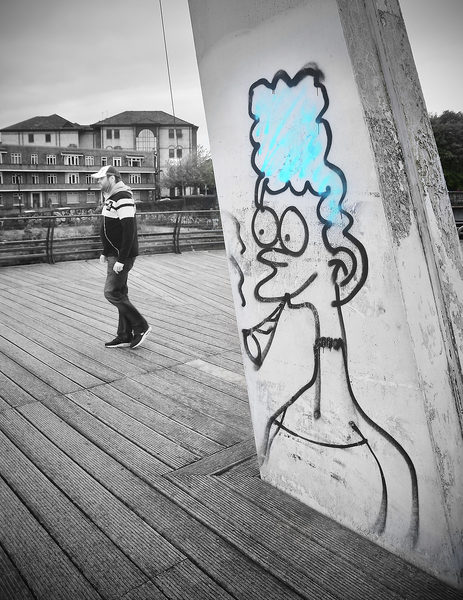
Notes : I lived and worked in Cardiff myself for ten years during the 1980s and I return when I can. It's my favourite city, above London, even. It's compact, has a certain atmosphere and a distinct national identity and also the Welsh language too. The Welsh people are lovely (mostly!) and generally friendly and convivial. There is some superb new architecture in Cardiff Bay - where the cult science fiction series 'Torchwood' was filmed, using many of the modern parts of the Bay as backdrops and where the BBC currently film several of its regular TV dramas. There is a feeling of optimism about the place. However, like any large city, there is some social deprivation and social problems and decline, which for the broad-minded photographer, adds to the interest and photographic variety.
CalendarSunrise: 05:25, Sunset: 21:12
Show Sunrise and Sunset Calendar DiscussionNo replies
Read the discussion Moon Phase🌔 Waxing Gibbous,
Brightness: 78%
Show Moon Phases Calendar 

 JuzaPhoto contains affiliate links from Amazon and Ebay and JuzaPhoto earn a commission in case of purchase through affiliate links.