JuzaPhoto uses technical cookies and third-part cookies to provide the service and to make possible login, choice of background color and other settings
(click here for more info).
By continuing to browse the site you confirm that you
have read your options regarding cookies and that you have read and accepted the
Terms of service and Privacy.
You can change in every moment your cookies preferences from the page Cookie Preferences, that can be reached
from every page of the website with the link that you find at the bottom of the page; you can also set your preferences directly here
The information about this location have been automatically translated with Microsoft Translator.
Rank : 7.8 (average on
10 votes)
If you know this place, give your vote: Coordinates : 46.162593, 8.861675
(Open in Google Maps)
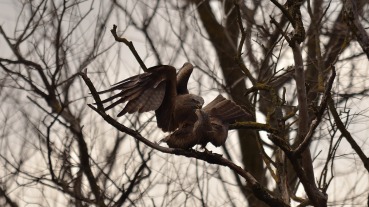
Subjects :Have been counted more 'than 250 species of birds, among which you can admire the coot, the salciaiola, the reed warbler, the water rail, the bittern, the kingfisher, grebe, mallards and many others as well as many species of bats, amphibians, reptiles, fish, mollusks, and insects. During the migration period is not uncommon to see the peregrine falcon, marsh harrier, goshawk, sparrow-hawks, red kites and many other falcons.
Recommended equipment :The site is best known by ornithologists that photographers, like those usually veeery far. The ideal is therefore long focal stand. With my 100-400 rarely pulled out something good ... The best results I've seen them run in Digiscope where they reach 9000 mm focal type.
Best months :North-South migration periods, both spring and autumn.
How to get there :Bubbles are divided into several sectors and are accessible from Tenero both Magadino. From the motorway exit at Bellinzona-Sud and follow the signs to Locarno. Or around Lake Maggiore to the northern end.
Visits :Admission is free.
Notes :The bubbles are Magadino a wetland formed by the mouth of the rivers Ticino and Verzasca. Considered to be of European importance as it is one of the major places of rest for the birds of passage, the first who crossed the Alps are in autumn and the last before heading south to cross the Alps flying north in the spring. You can then observe in migration periods, almost all species ranging from Northern Europe to Africa and vice versa. There are 4 or 5 observation towers, unfortunately not suited to photography as very high. For photography in general is not great, although it's worth a visit. Then with some luck might smile upon capture really special.





 JuzaPhoto contains affiliate links from Amazon and Ebay and JuzaPhoto earn a commission in case of purchase through affiliate links.