cover photo by
Rinaldo1005
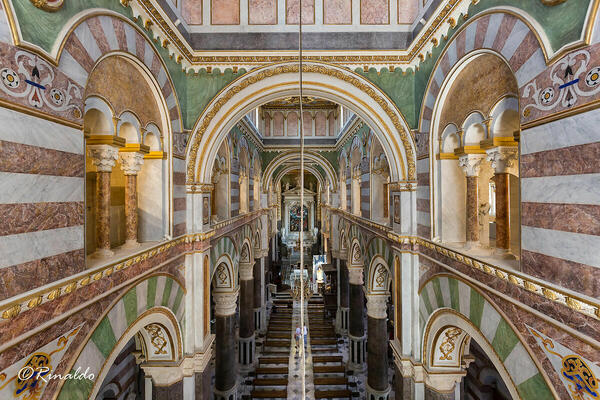
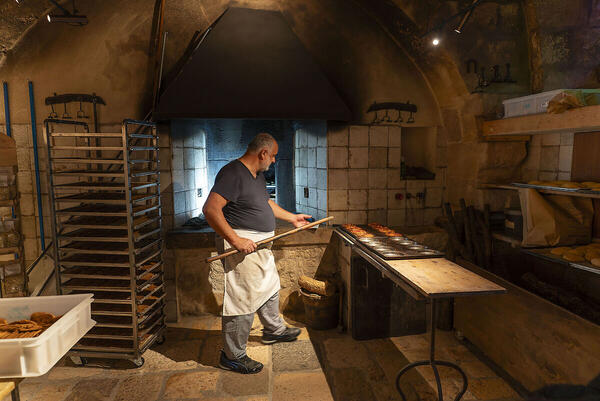
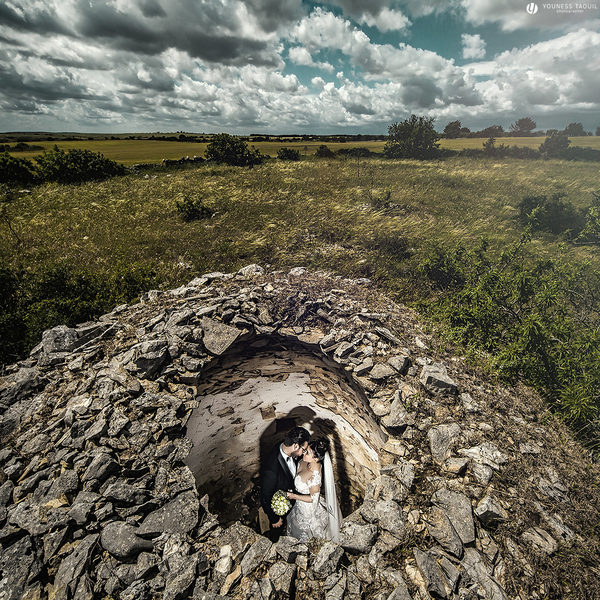
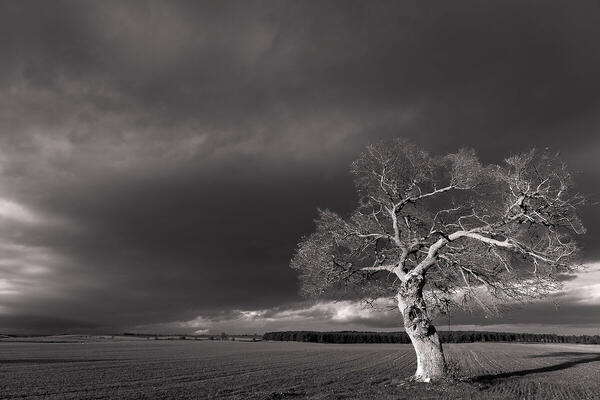
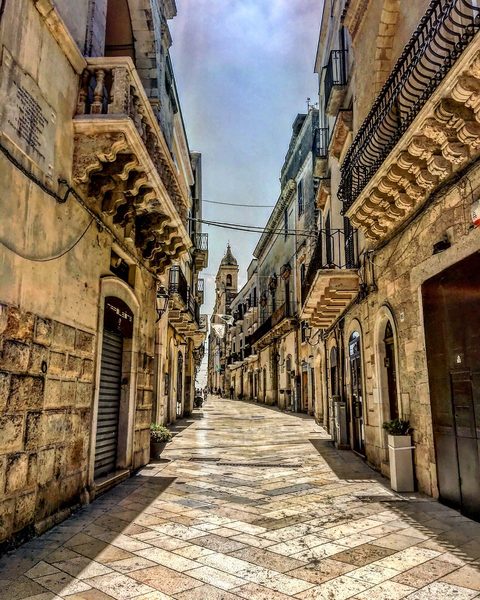
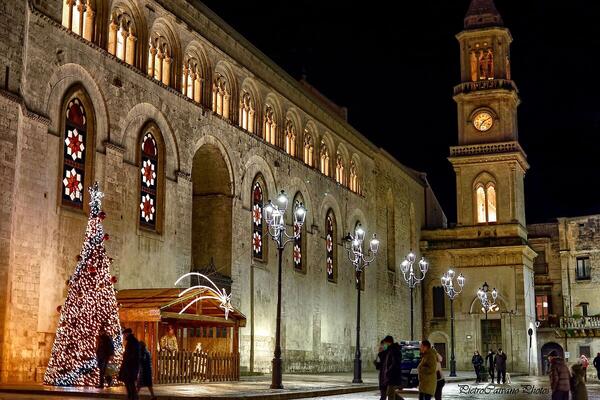
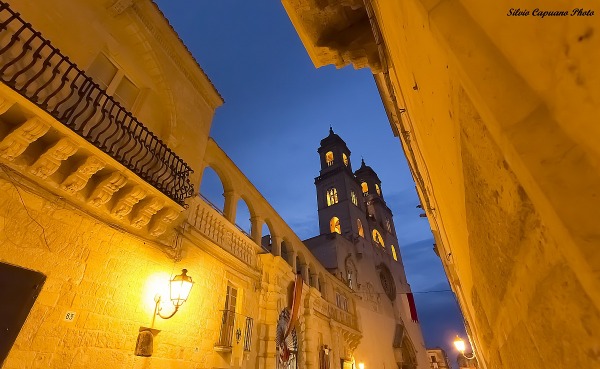
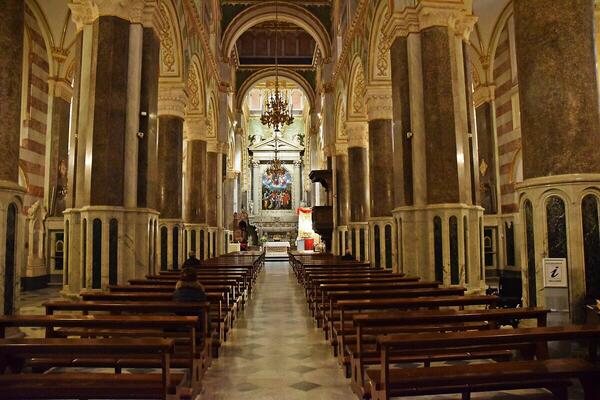
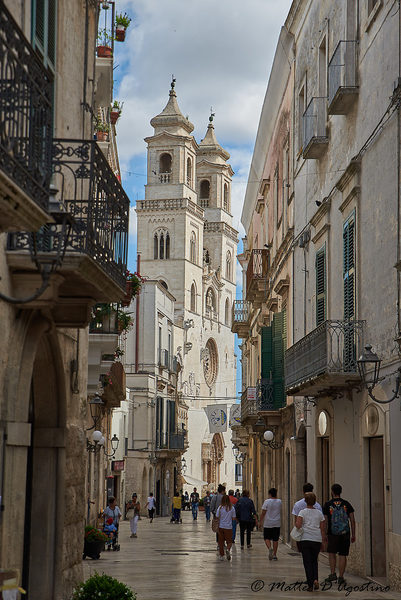
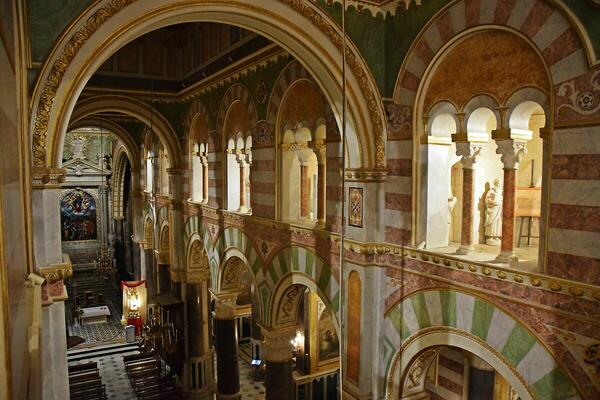
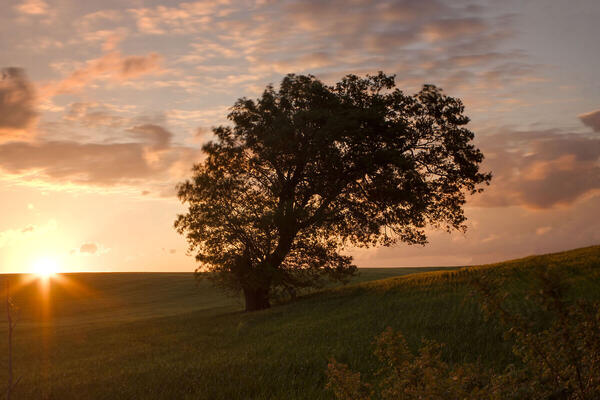
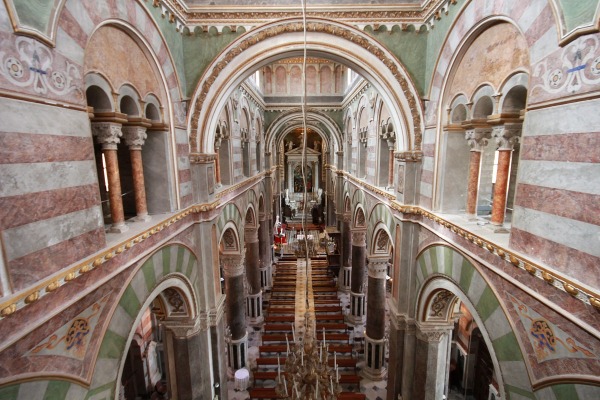
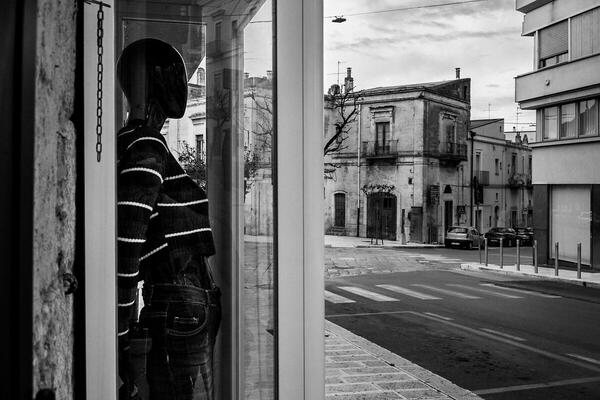
 The information about this location have been automatically translated with Microsoft Translator. The information about this location have been automatically translated with Microsoft Translator. Rank : 9.0 (average on 1 votes)Coordinates : 40.823786, 16.552358 ( Open in Google Maps) Subjects : The city of Altamura lends itself mainly to architectural and urban photography, with interesting ideas also for reportage and details. The main subjects are the historic center with its cloisters (typical internal courtyards), often not very visible from the outside but rich in geometries and plays of light; the Cathedral of Santa Maria Assunta, an example of Apulian Romanesque style commissioned by Frederick II of Swabia, with its imposing façade and decorative details; the narrow streets of the center, ideal for perspective compositions; the megalithic walls and the remains of the fortifications. Nearby, the area of the Alta Murgia National Park offers more open landscapes, suitable for nature and minimalist photography, with farms, fields and wide horizons. Among these, the Pulo di Altamura stands out, a large sinkhole of karst origin that represents a particularly interesting subject for landscape and geological photography, thanks to its circular shapes, the vegetation that develops inside it and the strong contrasts between light and shadow especially in the grazing hours. Finally, the historic bakeries of the city, linked to Pane di Altamura PDO, should not be overlooked: authentic environments, wood-fired ovens, surfaces marked by time and gestures repeated daily offer excellent ideas for reportage photography and storytelling, with particular attention to textures, hands and production processes.Recommended equipment : For the historic center, wide-angle and medium-short focal length lenses (16–50 mm on full frame) are recommended to work in confined spaces and enhance architectural lines. A 35mm or 50mm is ideal for street and detailing. For the landscape in the Murgia, a medium-canvas (70–200 mm) can also be useful to compress the planes and isolate elements such as farms or solitary trees. Tripod recommended for low light or night shots.Best months : The intermediate seasons, spring and autumn, are the most suitable for favorable climatic conditions and softer light. Winter can offer clear skies and a "cleaner" atmosphere, while summer, while full of life and events, has very harsh light and high temperatures. The best times are sunrise and sunset, when the limestone takes on warm tones; Night photography in the historic center is also interesting, thanks to artificial lighting. It is also important to consider the calendar of city events: during the Cavalcade of Santa Maria del Buoncammino (traditionally between August and September) and especially during the Federicus, the historic center undergoes strong variations in terms of influx and scenographic installations. Federicus generally takes place between the end of April and the beginning of May, but in recent years it has shown significant variations (for example, in 2026 it has been exceptionally moved to October 2–4). These events can represent both a unique photographic opportunity, for scenes of re-enactment and city life, and a limit for those looking for clean compositions devoid of contemporary elements.How to get there : By car Altamura can be reached via the SS96 from Bari or from the A14 (exit Bari Nord or Mottola-Castellaneta, then continue inland). Private transport remains the most convenient solution, especially if you also intend to explore the surrounding rural areas and the Alta Murgia.In National Park, alternatively you can arrive by train to Bari and continue with the Appulo Lucane Railways, which directly connect the two cities. However, it should be considered that travel times are not particularly fast and frequencies are not always high, so it is a less efficient solution if you have time constraints or bulky equipment. Parking is available in the areas surrounding the historic center, from which it is advisable to continue on foot to move easily through the alleys and the main points of interest.Visits : The historic center is freely accessible and can be visited without a ticket, except for some specific sites such as museums or archaeological areas. The Cathedral of Santa Maria Assunta can generally be visited free of charge during opening hours to the public. For further information on history and archaeology, a visit to the National Archaeological Museum of Altamura, where the Man of Altamura is exhibited, is recommended (through reconstructions and multimedia content, since the original find is still in the cave of Lamalunga). Also of particular interest are the areas related to dinosaur footprints, such as the Dinosaur Quarry, which can be visited at certain times and often through guided tours.Notes : Ltamura has an urban structure historically organized into neighborhoods of ethnic and religious origin, including the Latin, Greek and Jewish Quarters, which are flanked by later influences. This subdivision is still reflected today in the morphology of the historic center, in the paths, in the architectural details and in the distribution of the cloisters, offering interesting ideas for a more conscious photographic reading of the urban fabric. The cloisters are freely accessible and represent one of the most characteristic elements of the city; However, it is important to consider that many of these spaces are still lived in daily by the inhabitants. It is therefore advisable to adopt a discreet and respectful approach, avoiding invasive behavior, especially in photographing people or in domestic contexts. The presence of the Altamura Man and the sites with dinosaur footprints also adds a strong scientific and narrative value, also offering ideas for popular photography and storytelling.
CalendarSunrise: 05:29, Sunset: 20:27 Show Sunrise and Sunset Calendar DiscussionNo replies Read the discussion Moon Phase🌗 Third Quarter, Brightness: 59% Show Moon Phases Calendar |
Nearby:   Gravina in Puglia 11 km
 Matera 17 km
 Parco Nazionale dell'Alta Murgia 24 km
 Laterza 30 km
 Oasi Gravina di Laterza 31 km
 Terra delle Gravine 31 km
|

 JuzaPhoto contains affiliate links from Amazon and Ebay and JuzaPhoto earn a commission in case of purchase through affiliate links.