cover photo by
Gian Mario Zaino
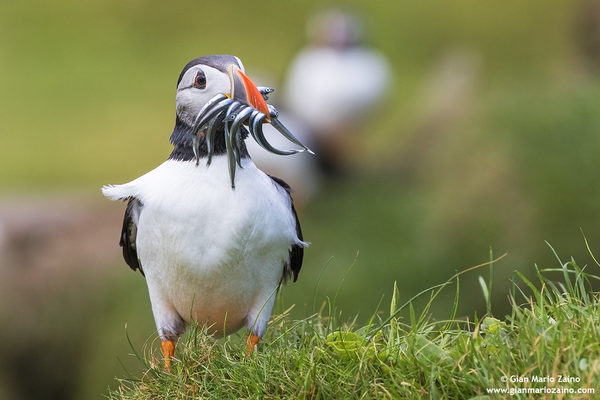
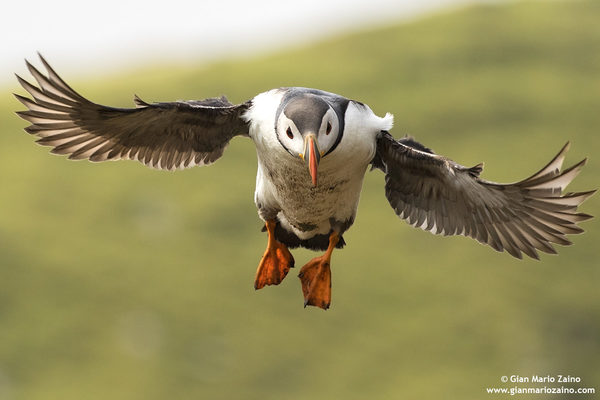
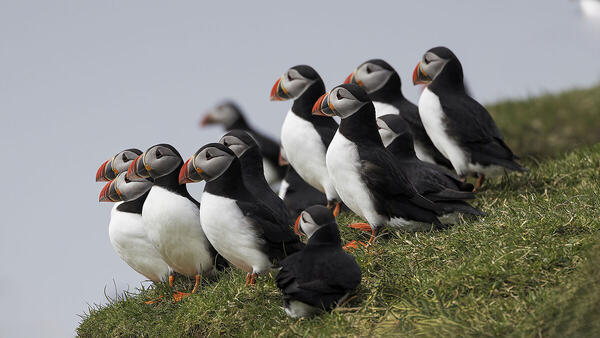
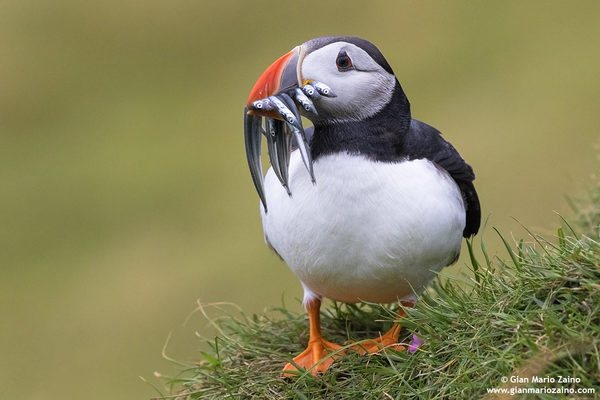
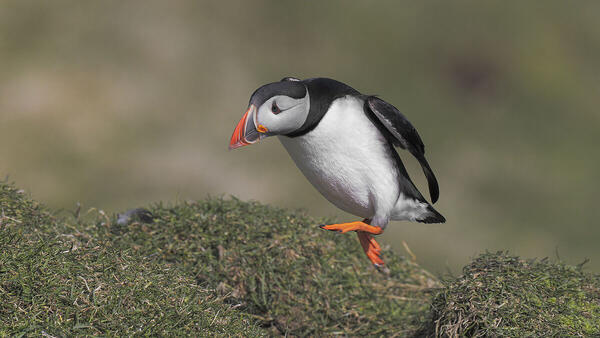
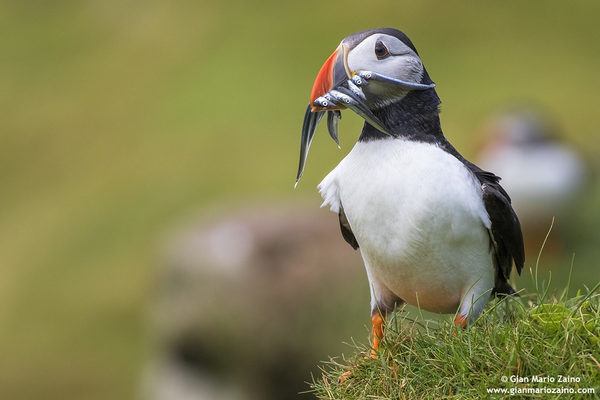
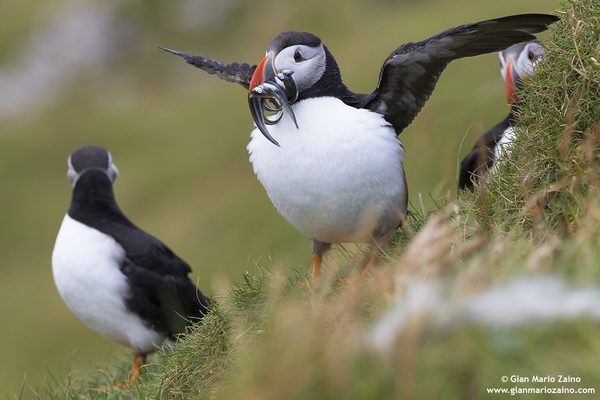
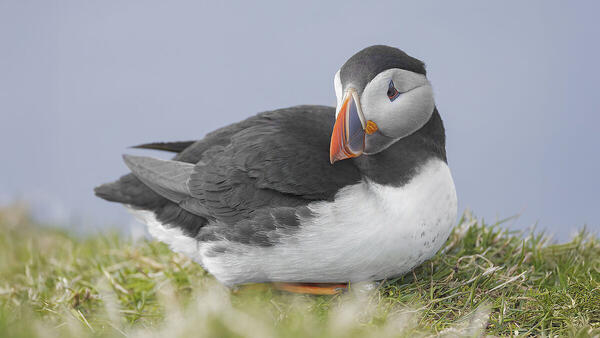
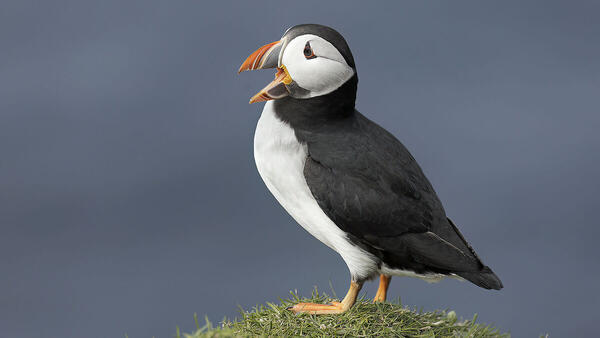
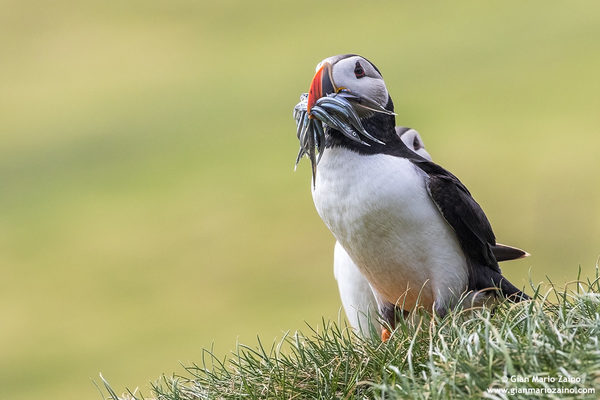
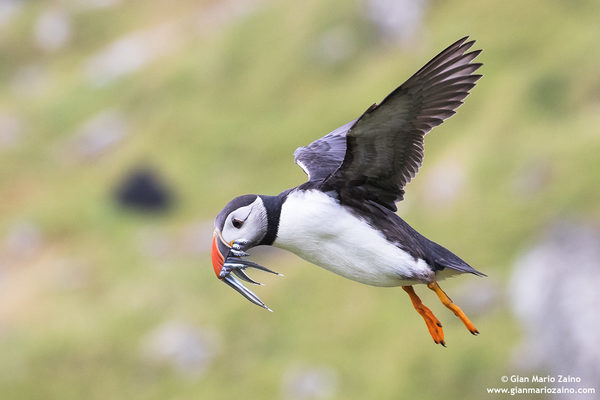
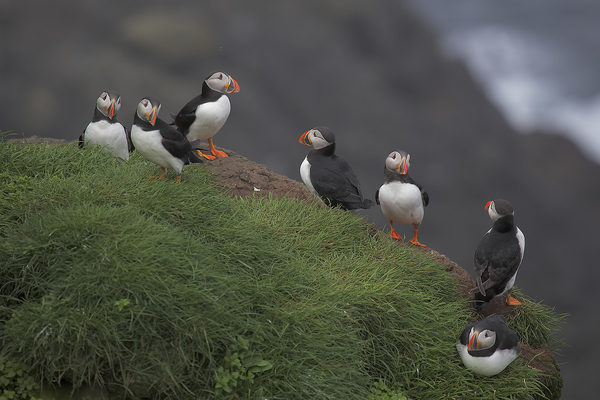
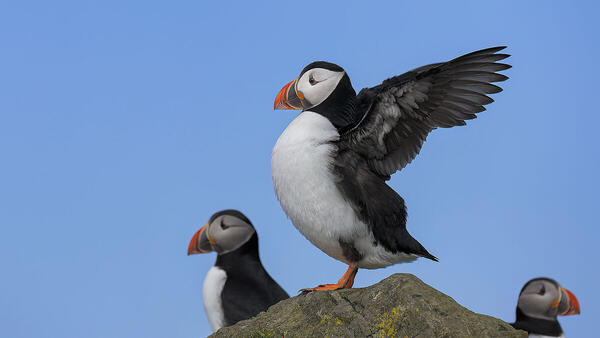
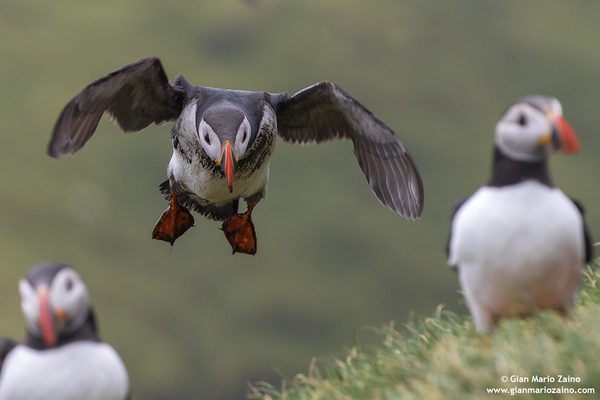
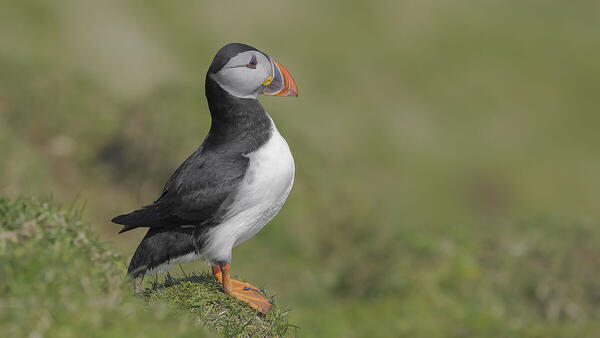
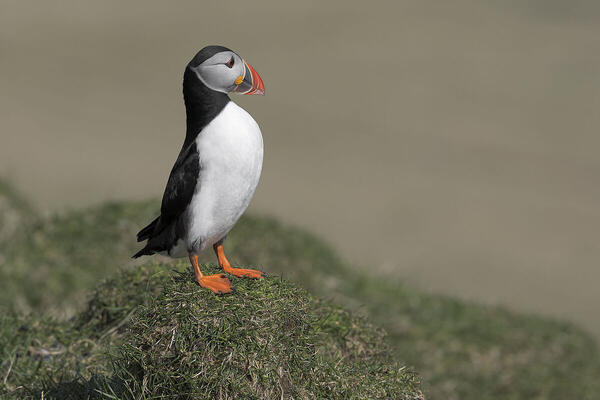
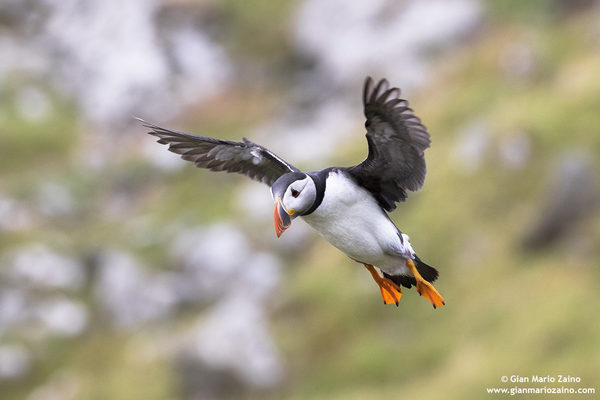
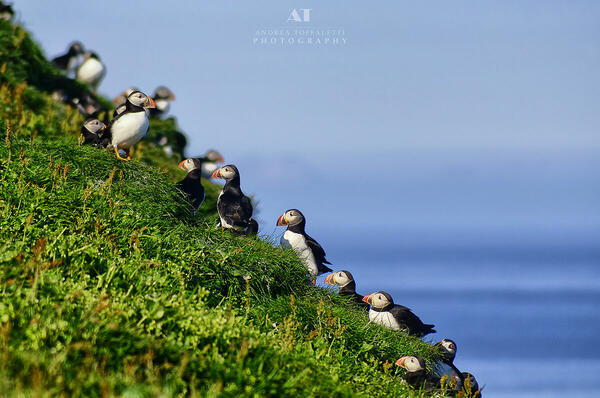
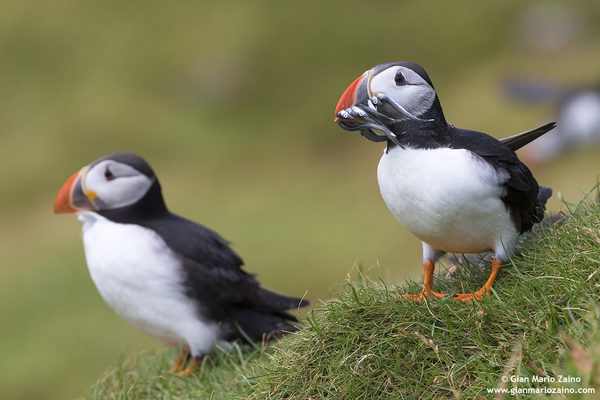
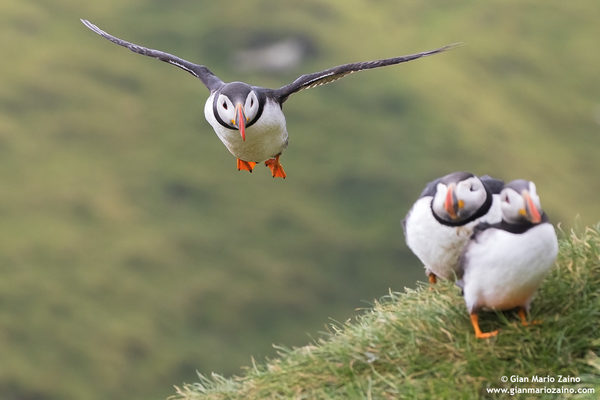
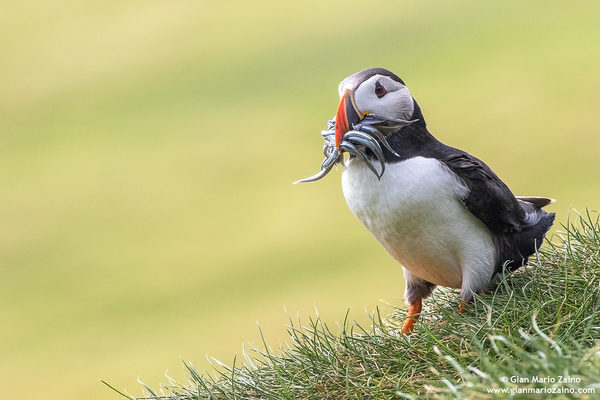
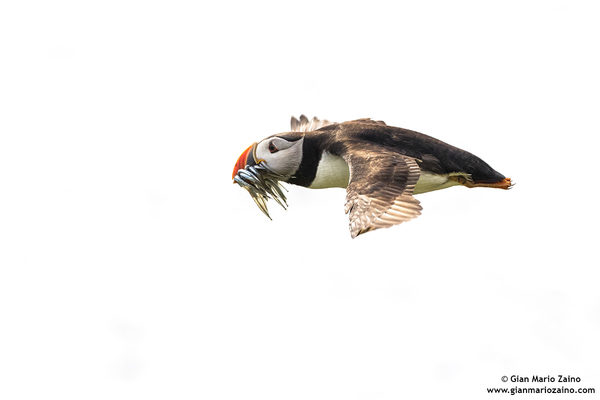
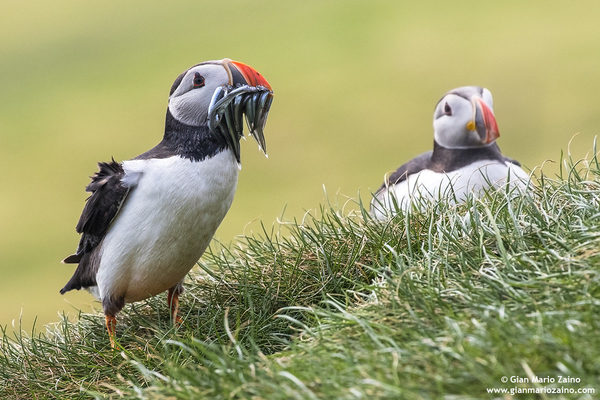
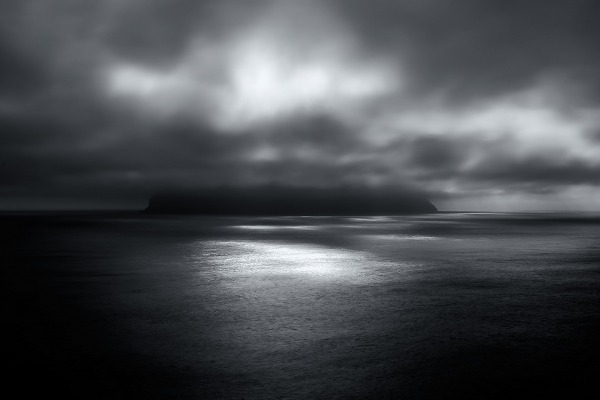
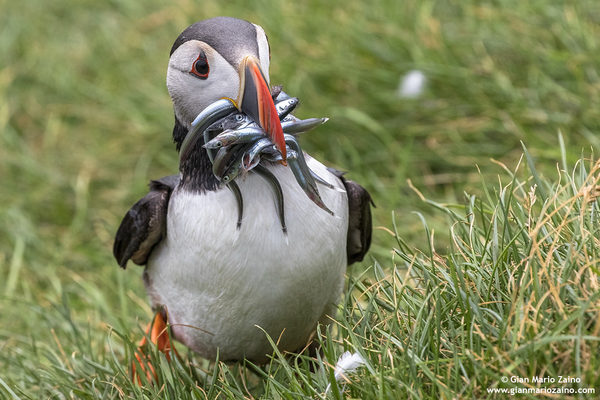
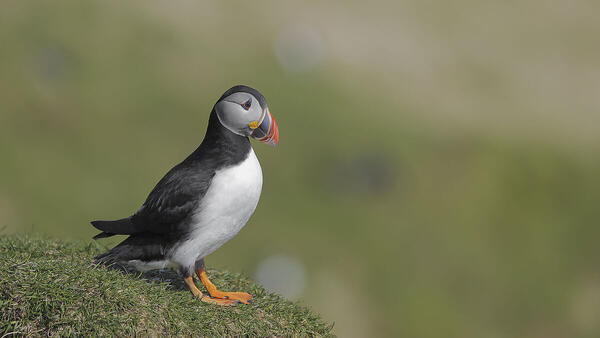
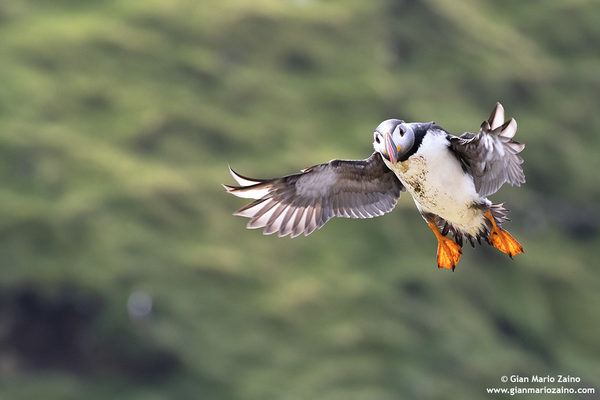
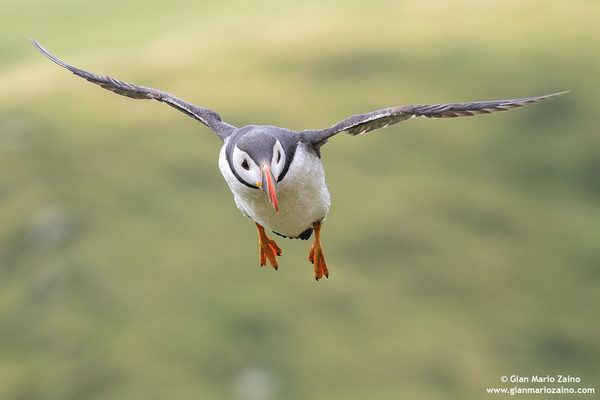
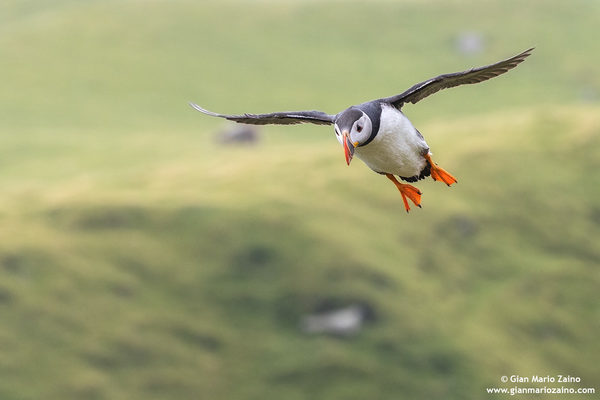
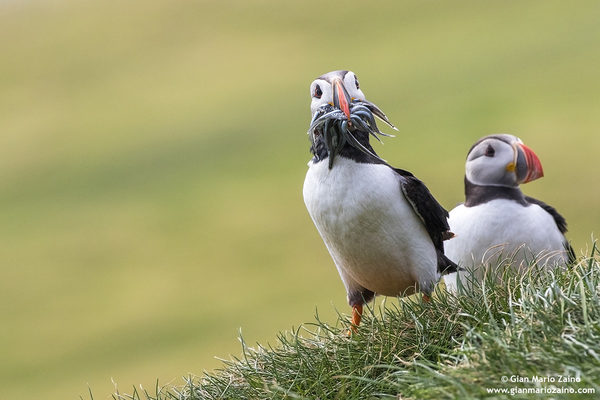
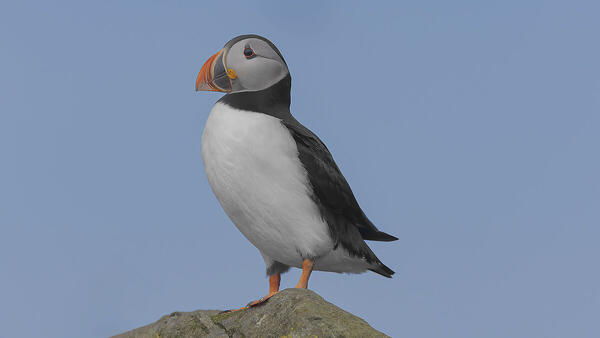
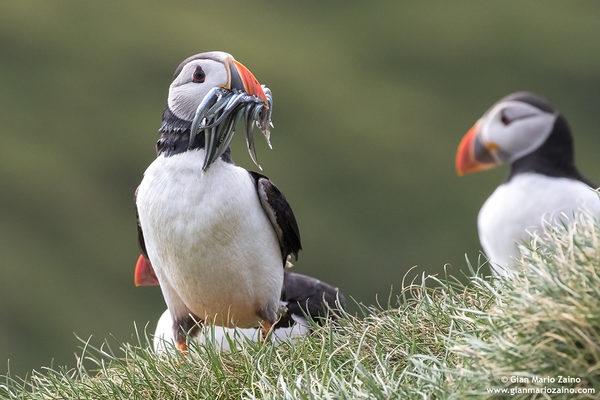
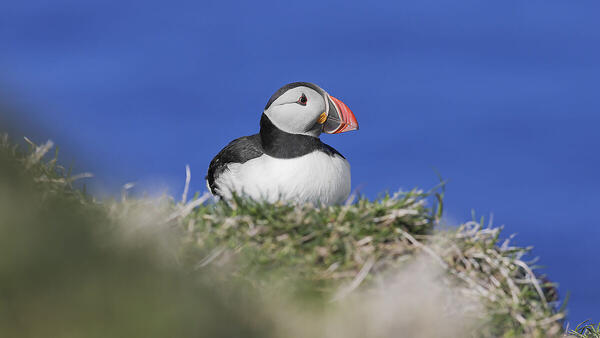
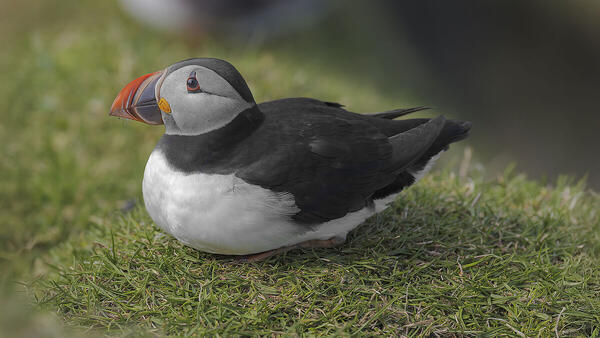
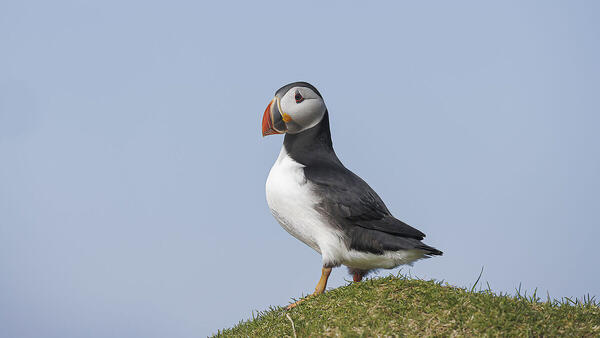
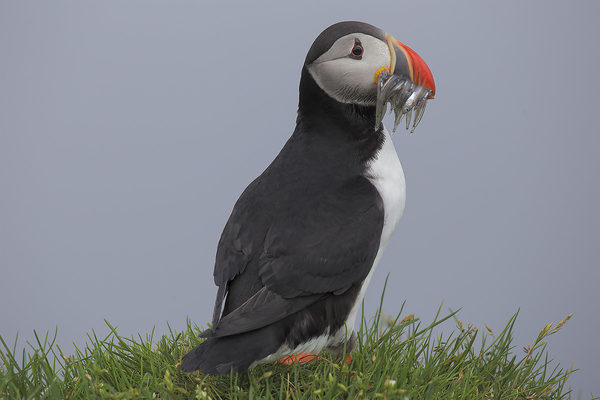
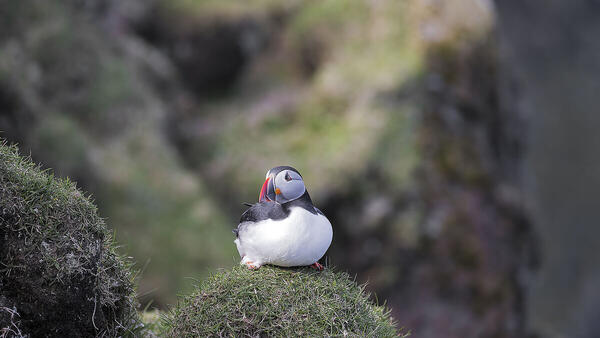
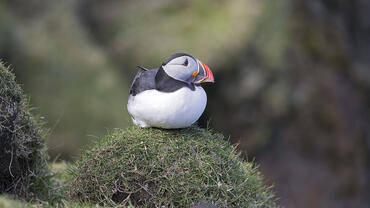
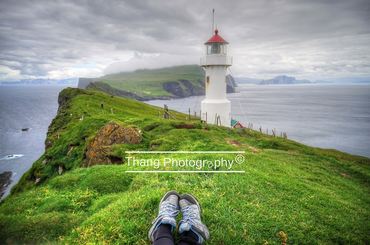
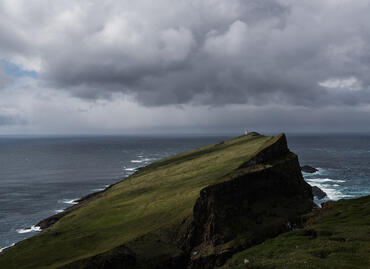
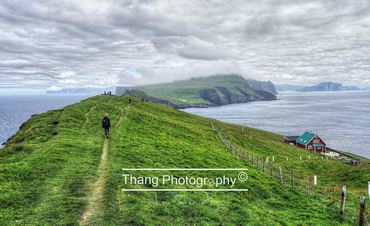
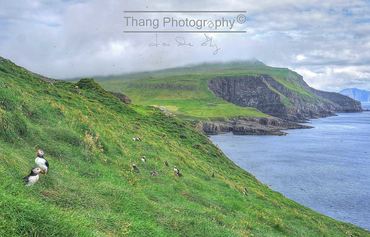
 The information about this location have been automatically translated with Microsoft Translator. The information about this location have been automatically translated with Microsoft Translator. Rank : 10.0 (average on 1 votes)Coordinates : 62.101703, -7.648224 ( Open in Google Maps) Subjects : In the period between mid-May and mid-August, the island is populated by the largest community of puffins, the puffins, of the Faroe Islands. The village of Mykines also offers some ideas for images. Then there are the sheep, they will not be particularly exciting subjects, but in the context of the wonderful landscape they can contribute to very beautiful shots.Recommended equipment : Basically you can shoot with any type of lens. From the super wide angle for landscapes to the telephoto lens for birds. Personally with 14-24 + 24-120 + 180-600 I have covered all the needs. As a matter of respect for nature, it is mandatory to stay on the trails. This is especially in the western part in the direction of the lighthouse, as there would be a risk of stepping on the shelters under the clods of soil, where the Puffins nest. For this reason a lens like the 180-600, or similar are in my opinion to be preferred over a prime lens, certainly more image quality, but in those situations too binding. The classic 10 steps forward or backward are often not possible.Best months : Between the beginning of June and the end of July you are certainly sure to photograph the Puffins, as well as clearly other landscape photos. How to get there : You can get there either by boat or by helicopter. It is very easy to find information on the internet. The boats travel on average 2-3 times a day in the low season and more frequently in July and August. The helicopter is clearly a more "exotic" experience, but remember that you can only do one trip per day. You can't go there and back on the same day. This is because in the Faroe Islands the helicopter is considered above all a means of travel for residents as well as clearly a means of rescue. Scheduled flights are not guaranteed in this sense since residents have priority, always, or the vehicle could be engaged in a rescue operation. The boat, which departs from Sørvágur on the island of Vágar, is also not a guarantee. In case of rough seas, the rides are canceled (and the ticket refunded). For how to organize yourself (according to my experience), look at the final notes, where I basically report the few but most important tips Visits : Access to the island involves the payment of a "tax" of about 40-50 euros. To pay the guides who take you on the trails (read later in the notes) and for the maintenance of the trails themselves and the protection of this naturalistic paradise. You can pay without problems by credit card, once you get off the boat. For the timetable depends on the timetable of the boat/helicopter rides. Broadly speaking, the first ride to the island is around 9 am and the last one for the return around 5 pmNotes : These few notes report, in my experience, the best advice I can give. I repeat, absolutely fitting to my personality and how I understand photography. I have been to this island twice, always more or less in mid-June. Although it cannot yet be considered a very high season, this has little influence on the number of people who are there. That is limited by the seats on the boats that make the "shuttle". Each ride must be booked well in advance (for July and August probably even 4/5 weeks in advance). Now, the standard experience is: you take the boat in the morning, you go around the island with the guide and several dozen other people, you bivouac in the tiny village eating maybe an ice cream or a bowl of fish soup in the only small place that serves food (very limited choice... and we would miss it). Then take the boat back home. Certainly it is a beautiful experience. My advice. The village of Mykines, a few houses, offers, at exorbitant prices, the possibility of stopping to sleep. It is not easy, but by reading up on the internet you will find options. My trips to the Faroe Islands were in both cases about 10 days. The costs, as with all destinations in the north, are challenging. So I chose the only room that offered the place where food is served. It's called The Locals. I slept dressed because I was afraid of the bed and dirt. I shared the tiny bathroom with the owners of this place and that was challenging too. But with about 200 euros I spent two nights there. I don't recommend it, but for those on a tight budget it's probably the only viable option. For those who can afford it, there are other options. Why stop and sleep? After 5 p.m. everything empties. You are really alone. A sandwich (I brought almost everything I needed to feed myself) and then off I went, until 11 pm along the coast and the paths. Puffin everywhere, absolute solitude. The wind, the northern light at sunset, the sounds, the smells. All this is an absolute privilege. The next morning, at 5 am, leaving again, the same places as the night before are different; The light is different. Moving is not a rare event. A nap when the horde of festive and noisy tourists invades the island again and then another evening and a sunrise in this paradiso.NE REALLY WORTH PENAUn important advice, which derives from a mistake of mine last year. DO NOT book your return flight from the island for the same day you have your return flight. I was pardoned, the boat, even with impetuous waves, did regular service. If I had been stuck on the island for half a day longer, I would have missed my flight and, of course, to get a ticket for the next one back home I would have spent a fortune. If you have any curiosity or requests for info, as far as I can, write to me; I will be happy to offer some ideas. In my galleries you can find some photos
CalendarSunrise: 04:08, Sunset: 22:46 Show Sunrise and Sunset Calendar DiscussionNo replies Read the discussion Moon Phase🌓 First Quarter, Brightness: 66% Show Moon Phases Calendar |
Nearby:  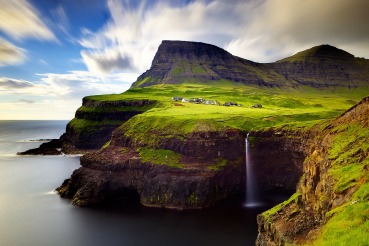 Faroe Islands 35 km
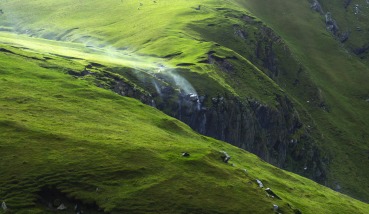 Riserva di Hermaness 385 km
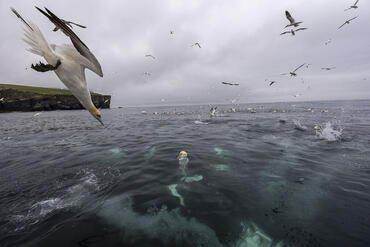 Shetland Islands 410 km
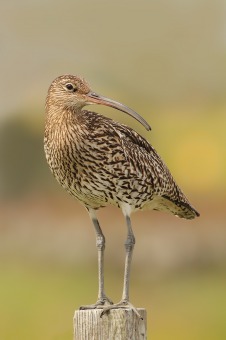 Isole Orcadi 430 km
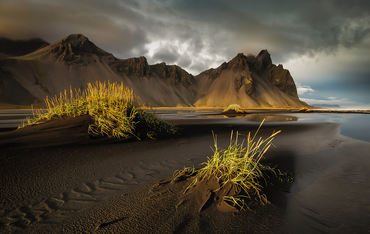 Vestrahorn and Stokksnes 437 km
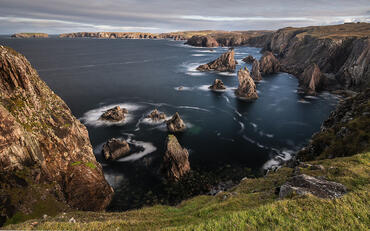 Lewis and Harris 438 km
|


 JuzaPhoto contains affiliate links from Amazon and Ebay and JuzaPhoto earn a commission in case of purchase through affiliate links.

